|
The most
inclusive results up to now of found plant remains from field works 1977
- 1984 in the region of Jebel Uweinat and Gilf Kebir were published by
KLITZSCH and LEJAL-NICOL in two articles.
KLITZSCH, E. & LEJAL-NICOL,
A. (1984) : Flora and fauna from strata in southern Egypt and northern
Sudan
(Nubia and surrounding areas). Berliner geowiss. Abh., (A) 50, p. 47-79.
LEJAL-NICOL, A. (1987) : Flores nouvelles du Paleozoique et du
Mesozoique D’Egypte et du Soudan septentrional.
Berliner geowiss. Abh., (A) 75.1, p. 151-248.
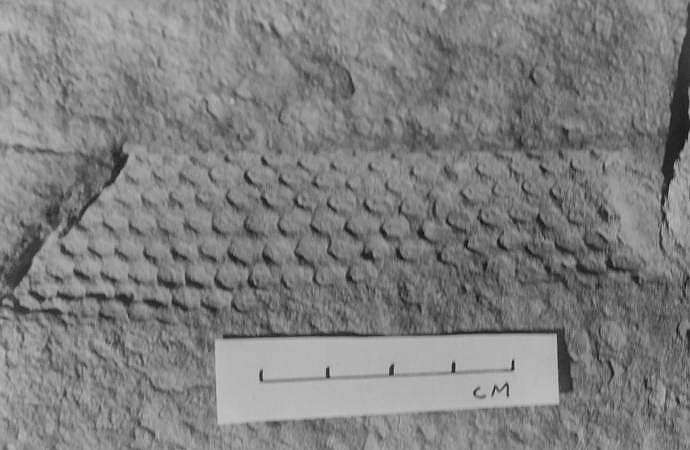
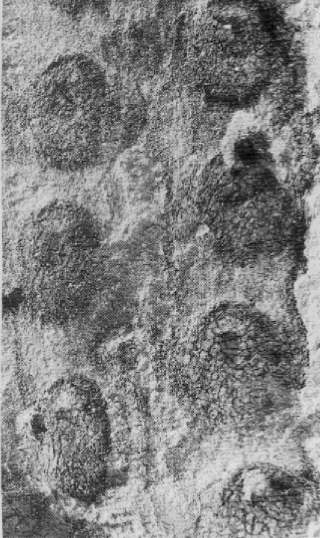
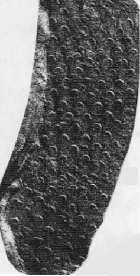
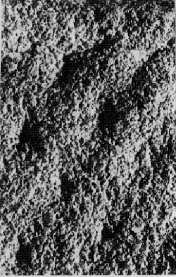
The plant
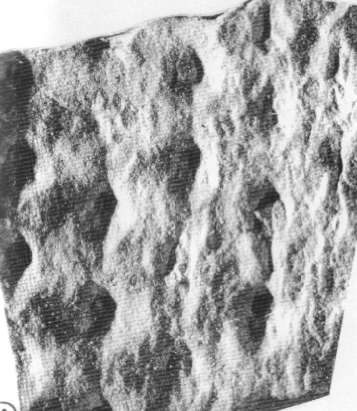
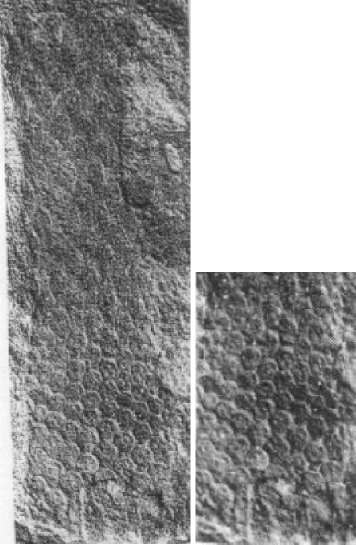
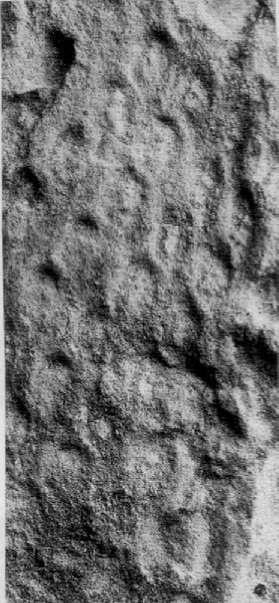
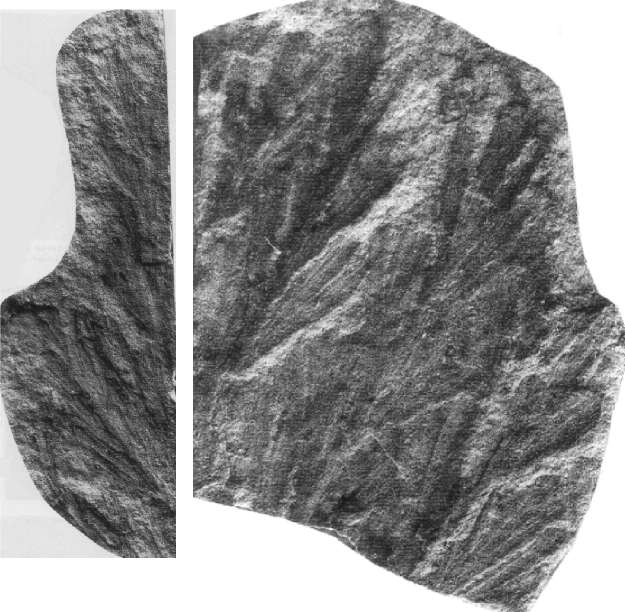
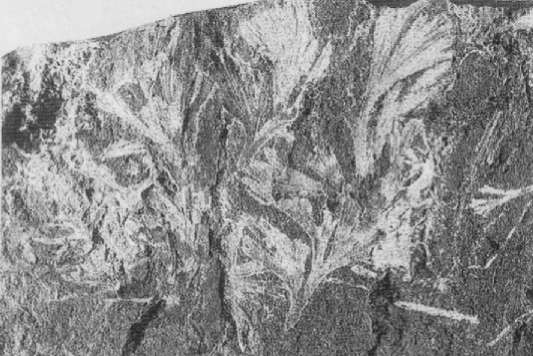
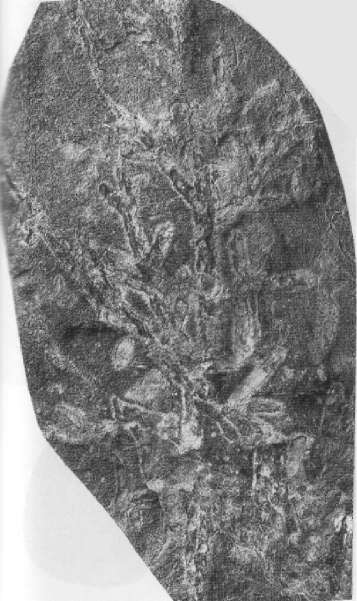
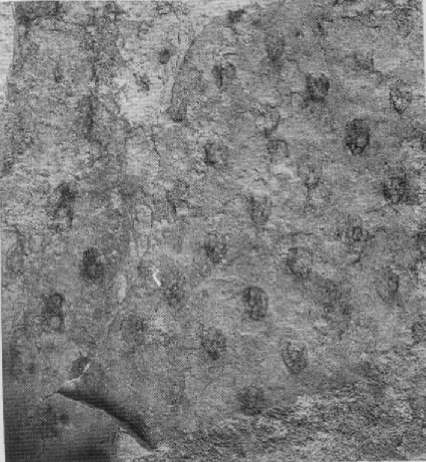
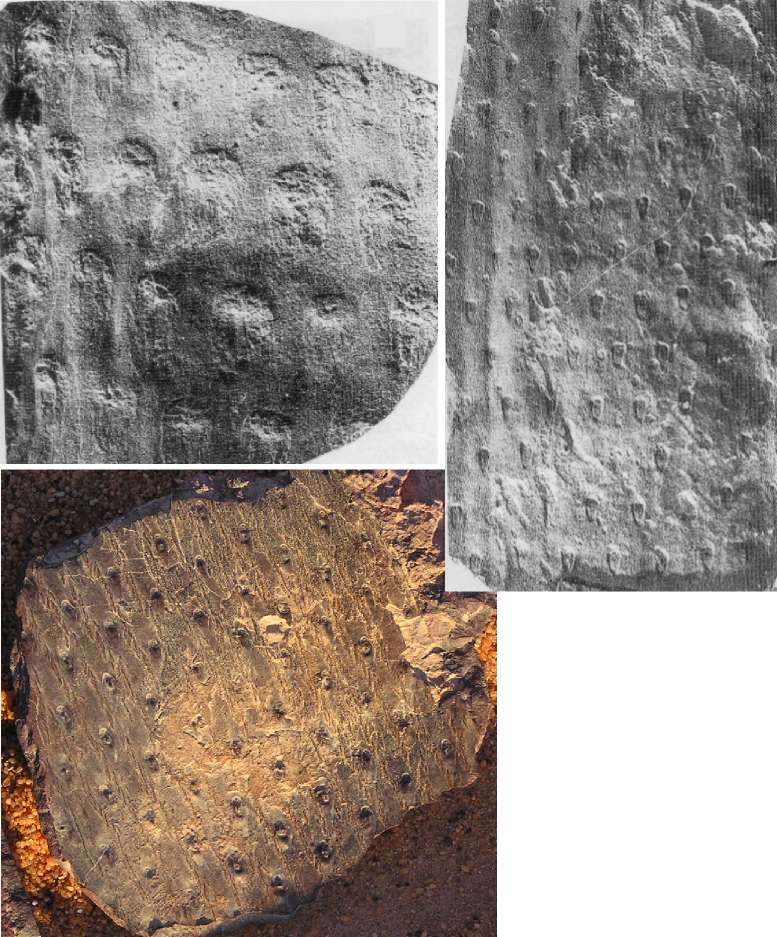
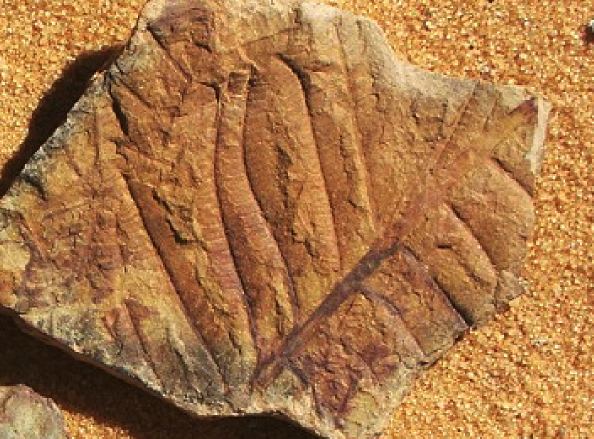
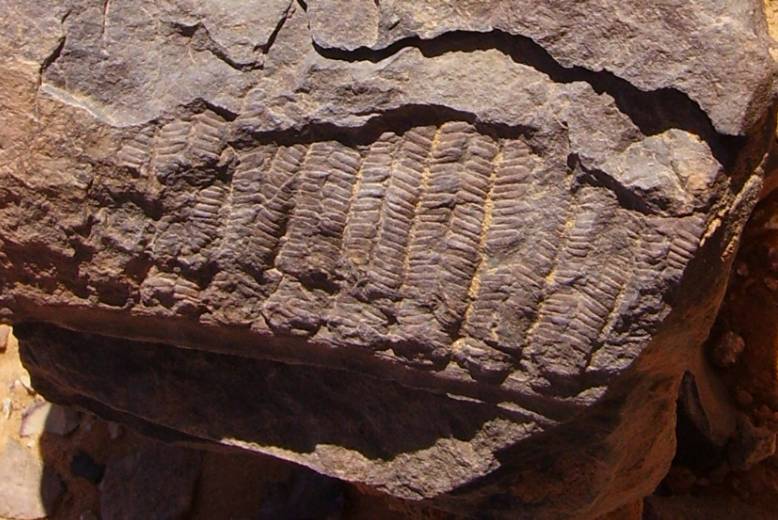
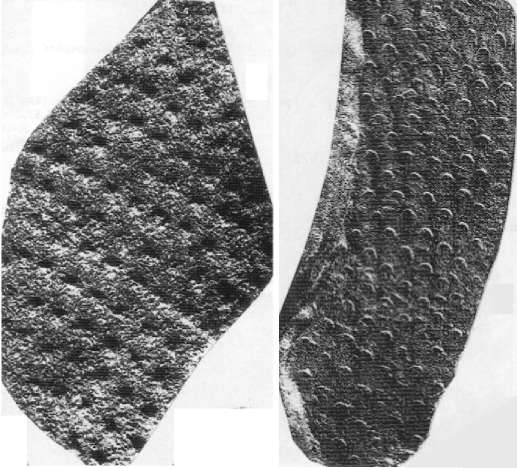
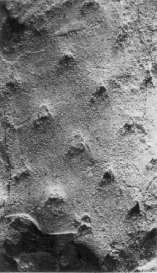
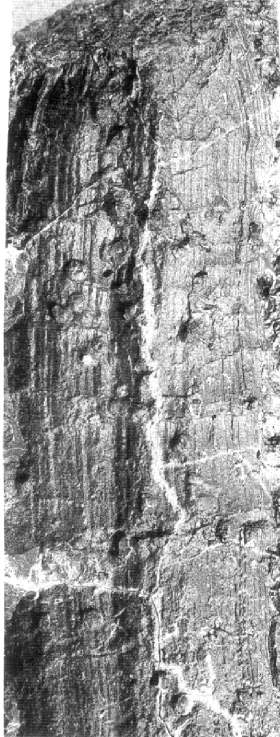
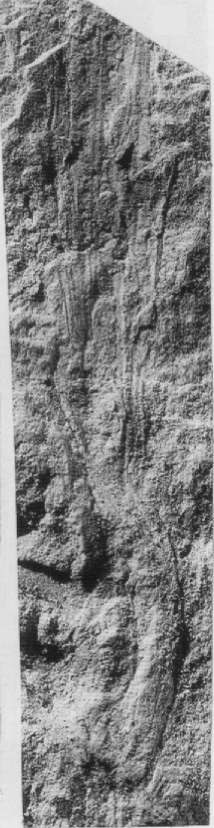
remains are described, determineted and photos were published.
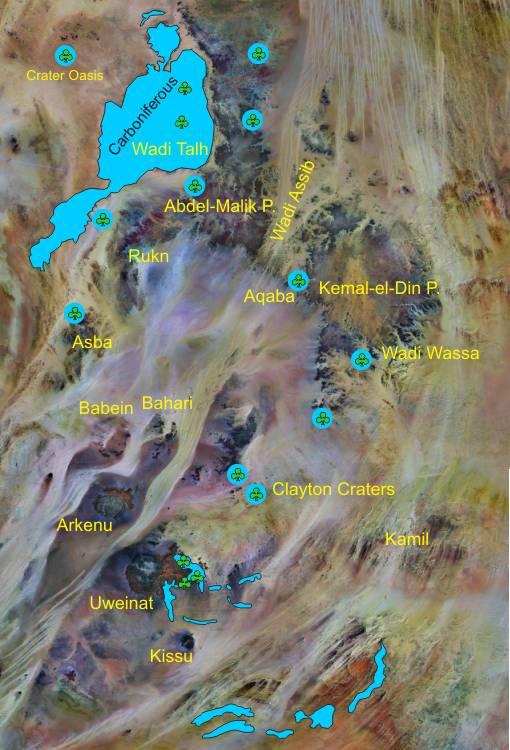
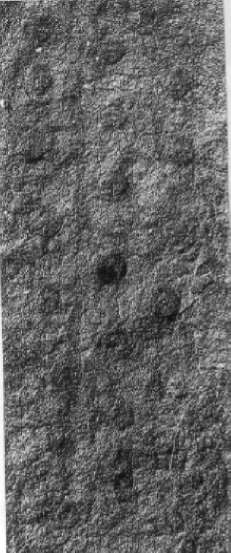
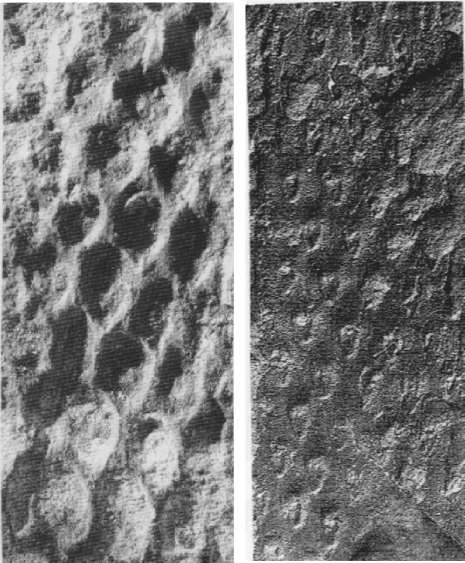
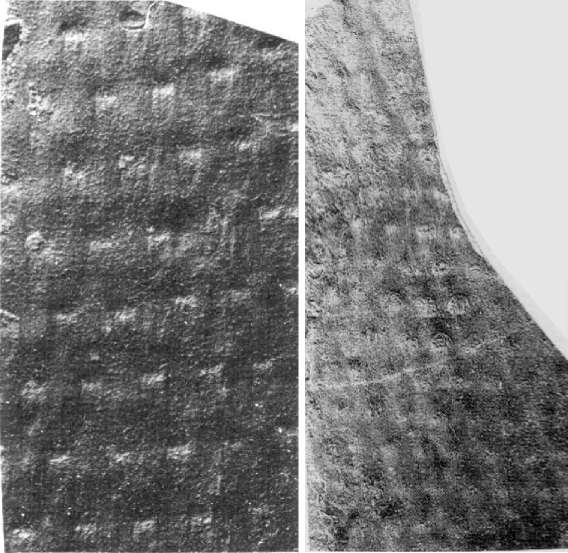
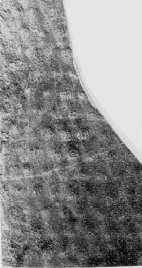
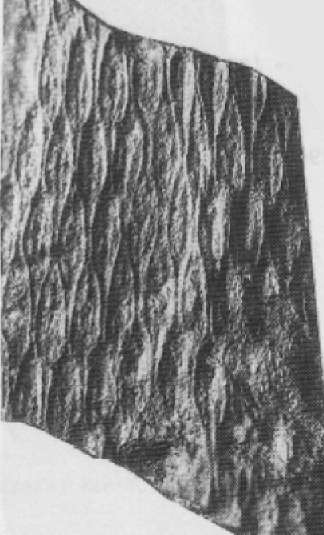
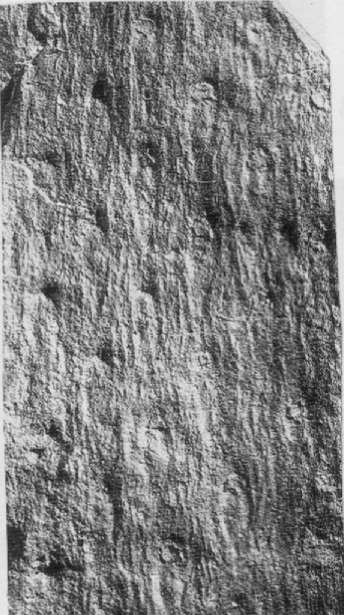
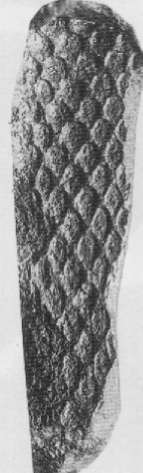
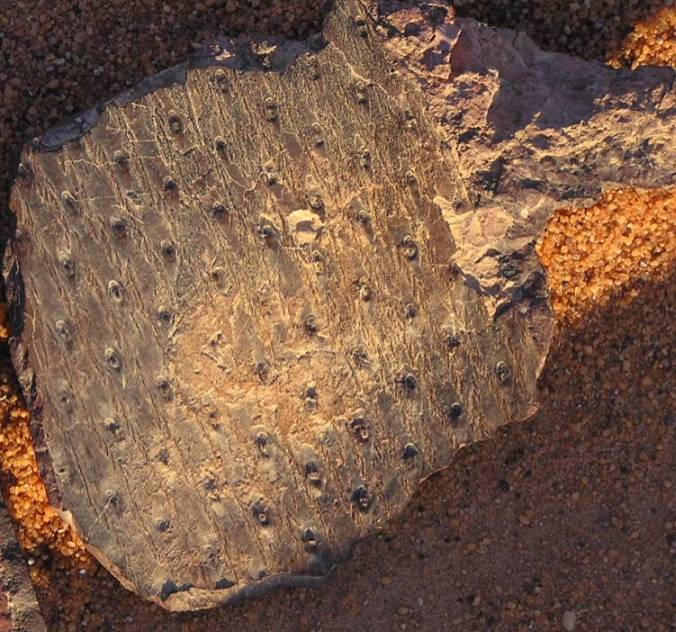
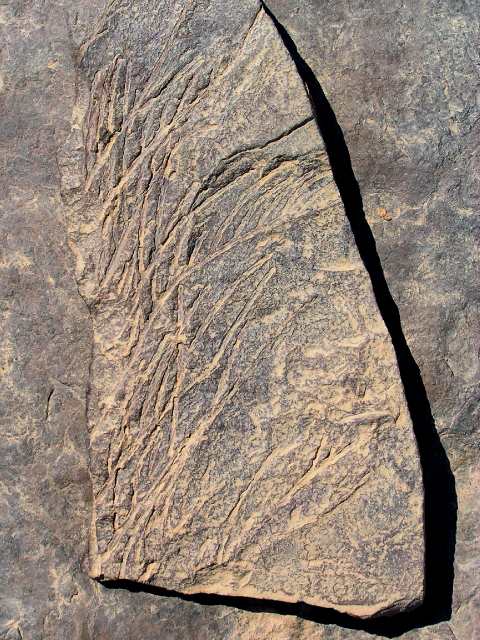
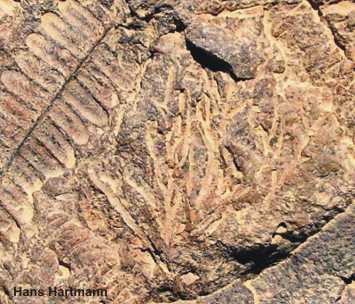
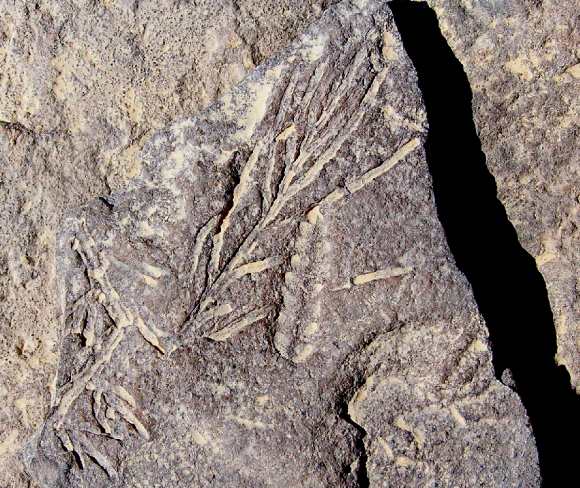
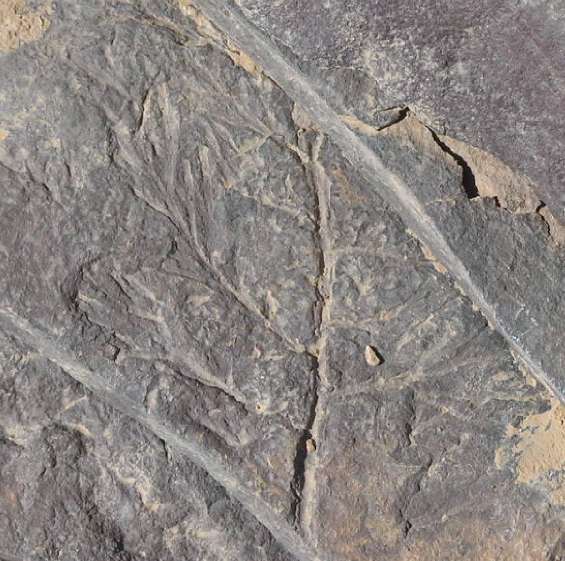
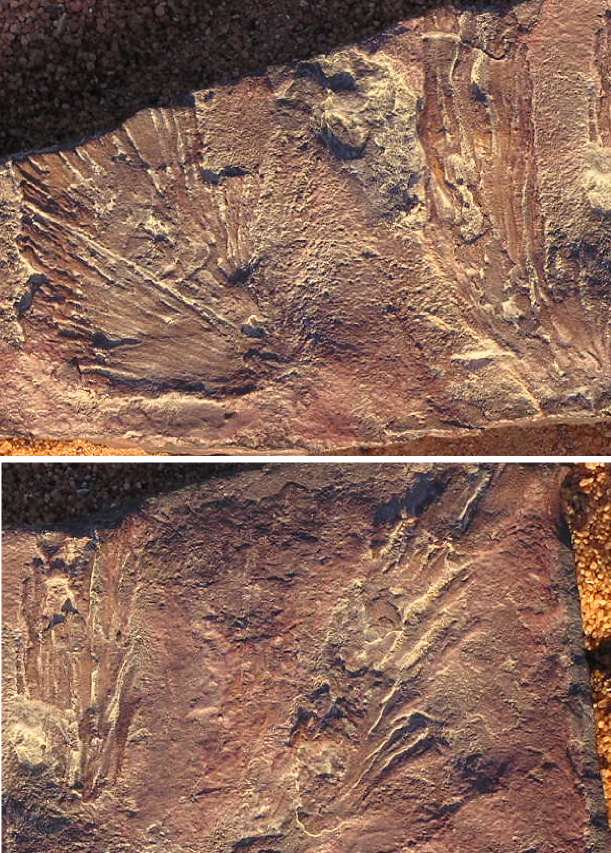
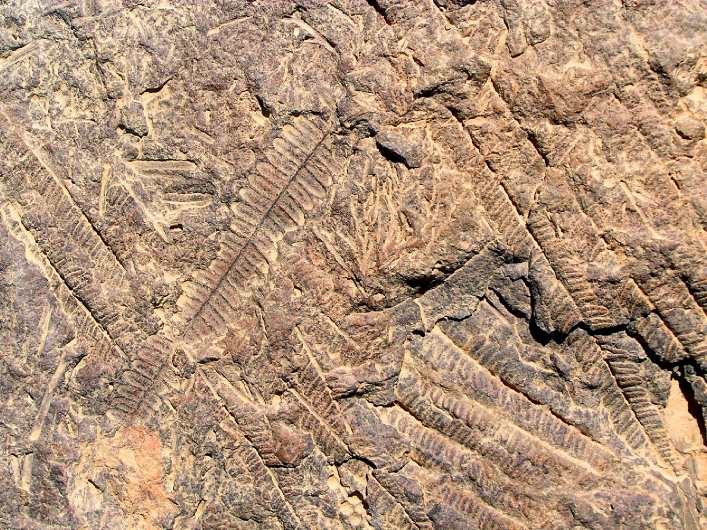
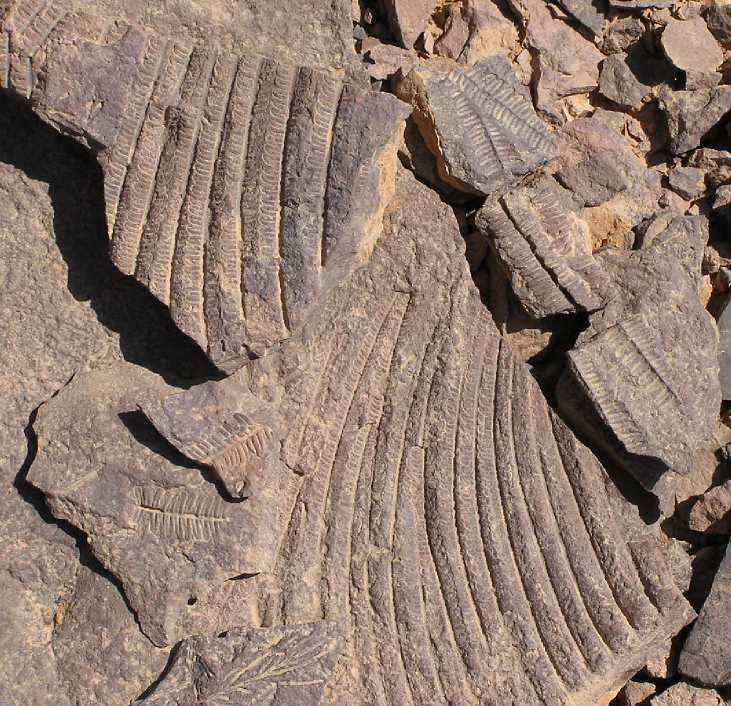
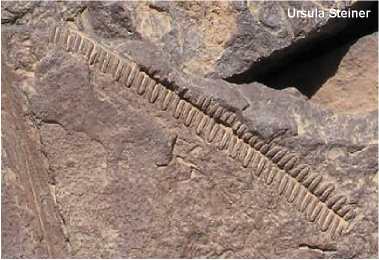
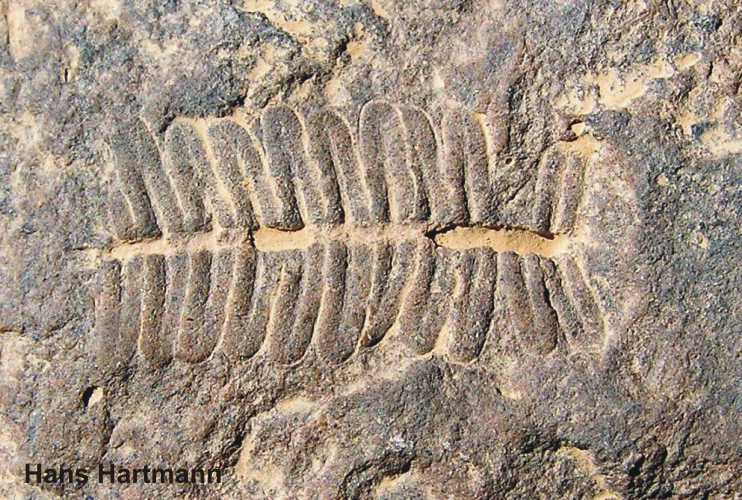
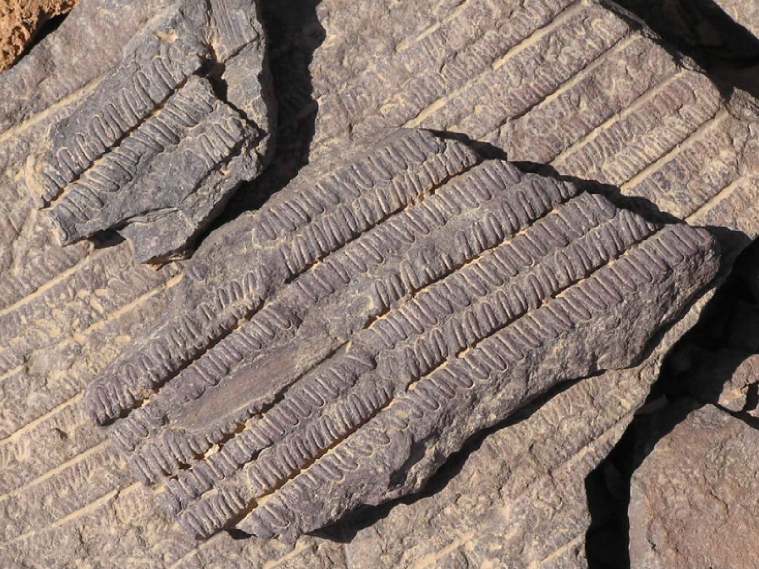
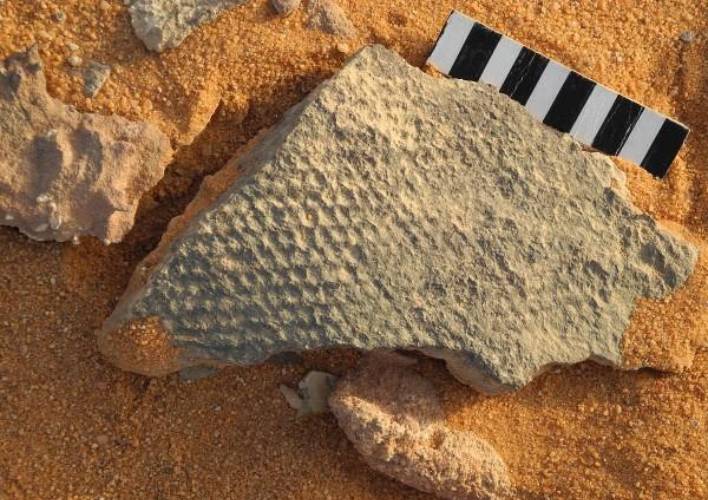
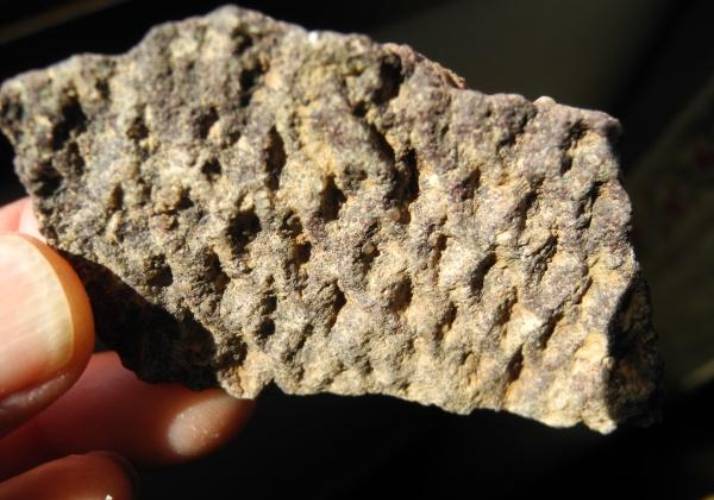
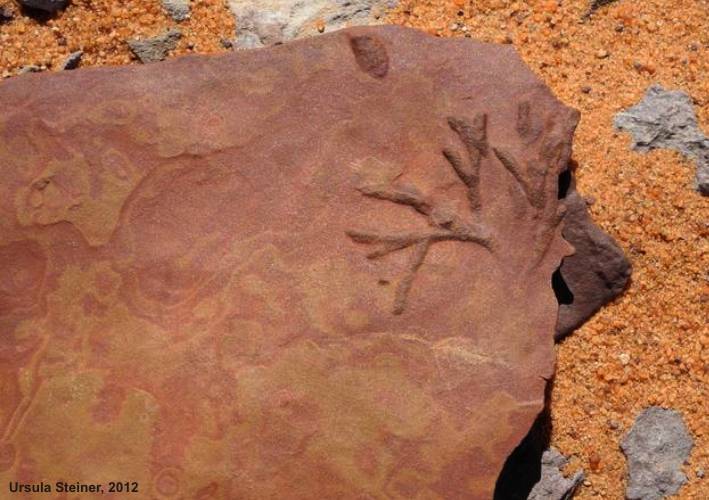
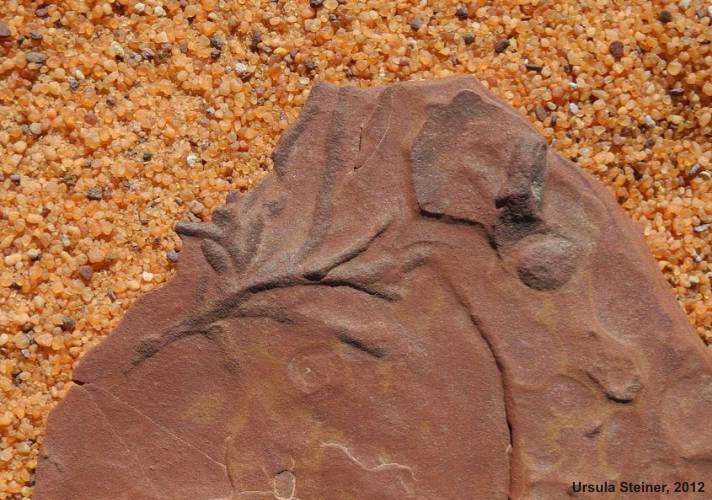
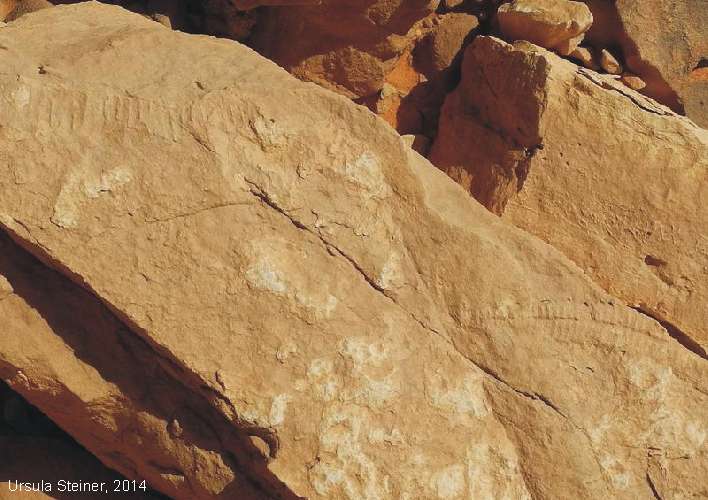
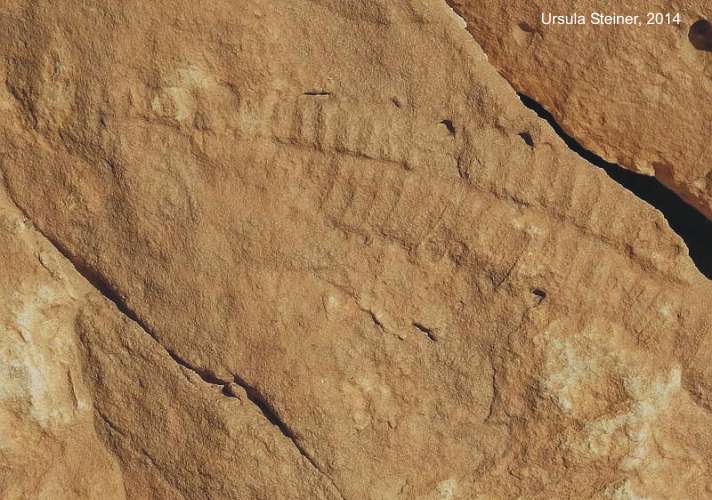
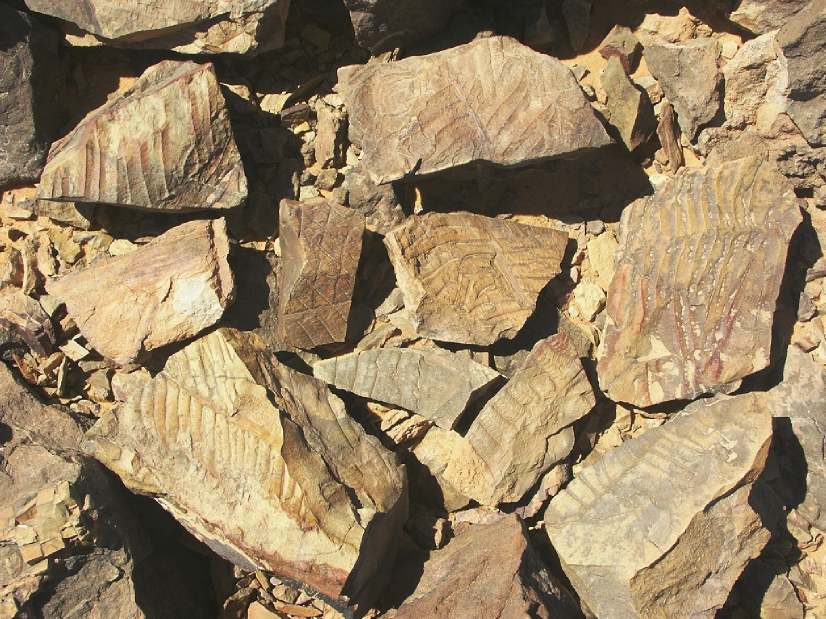
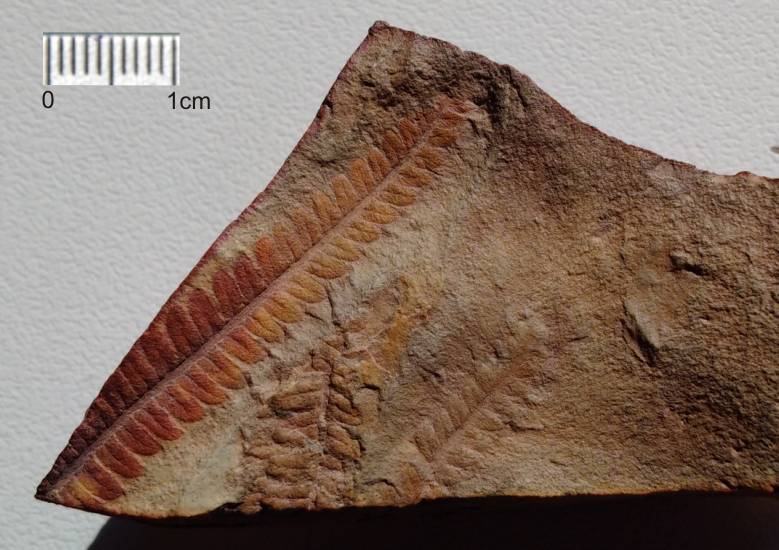
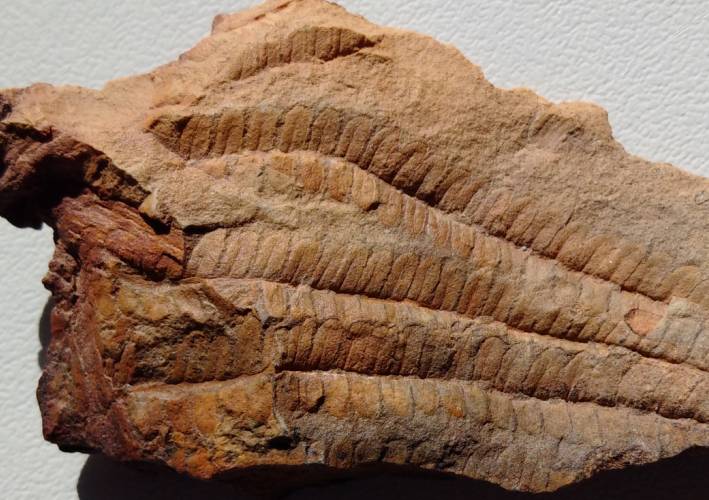
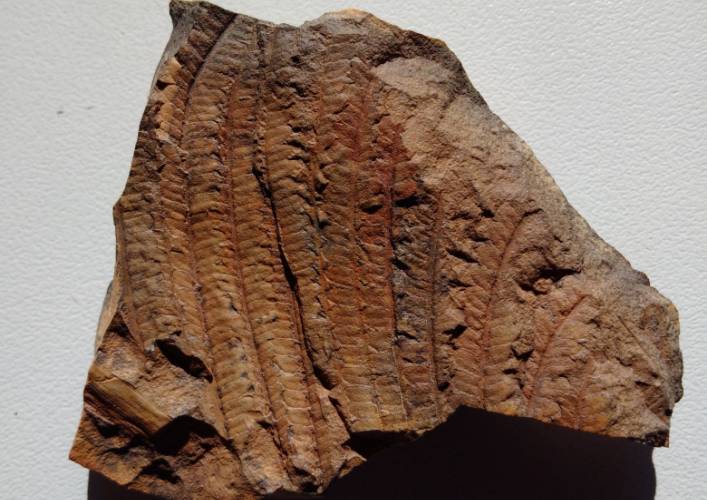
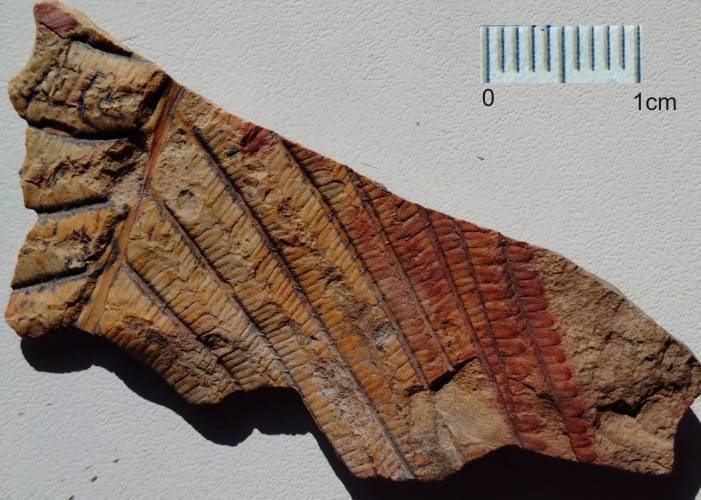
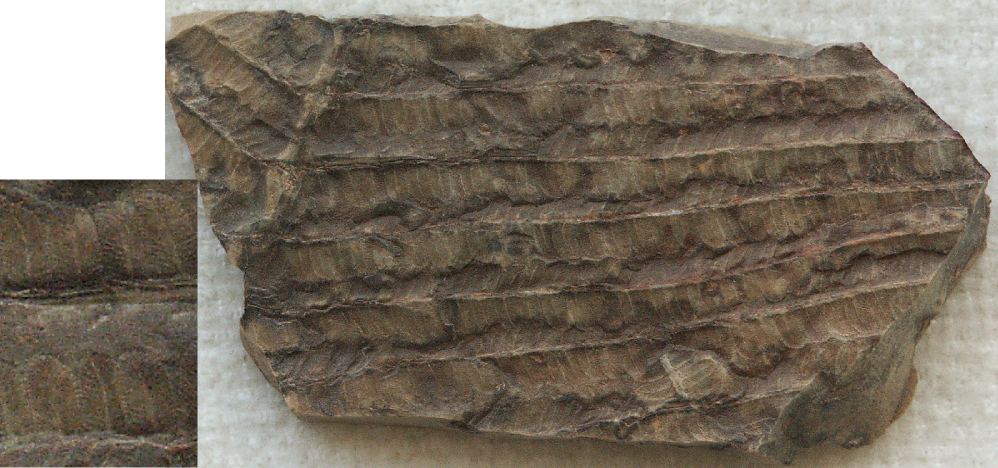
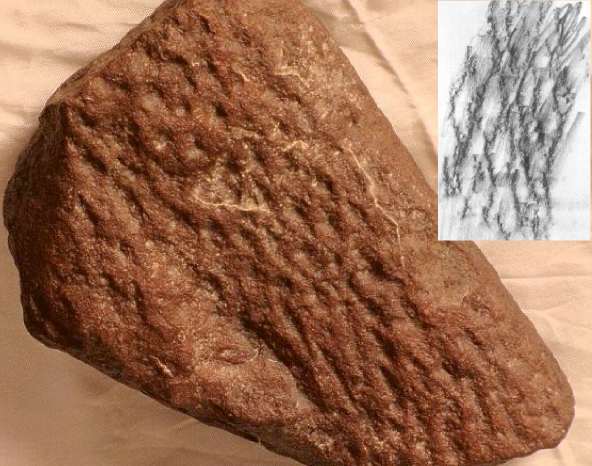
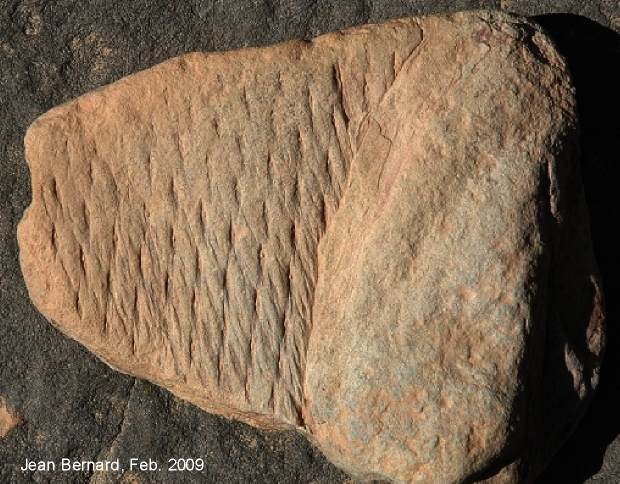
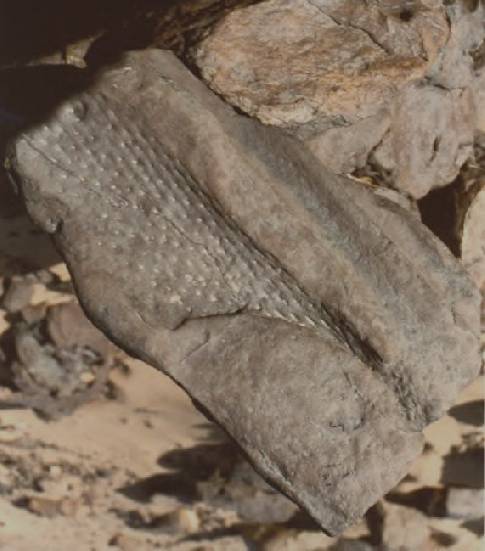
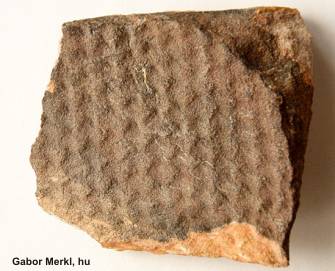
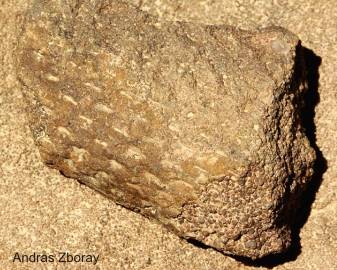
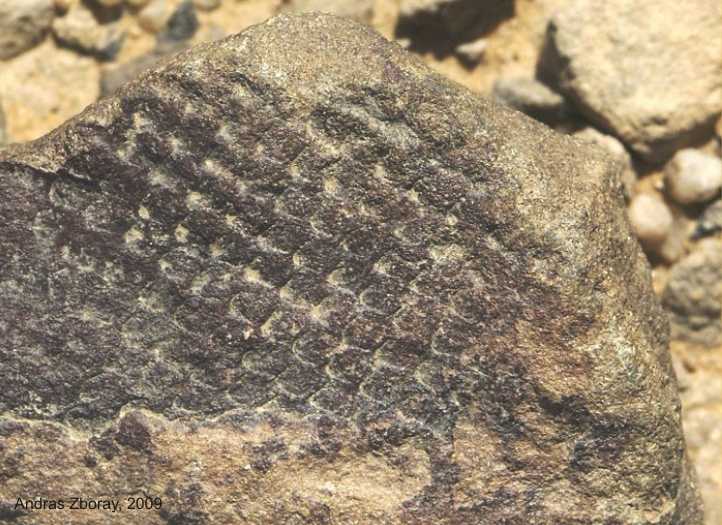
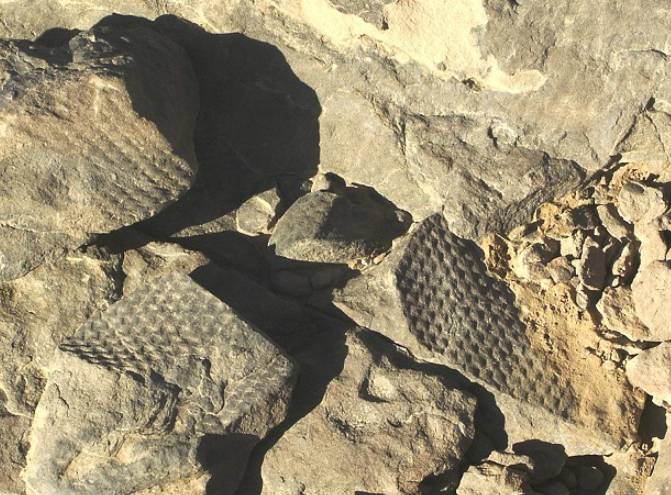
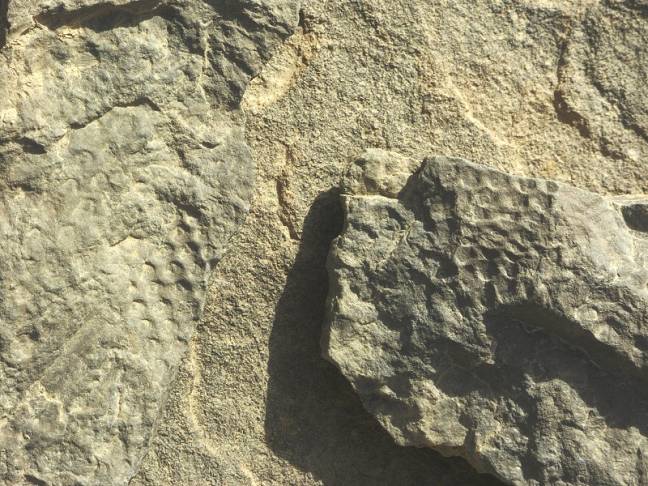
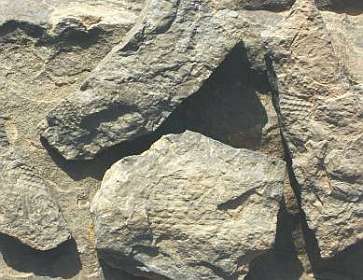
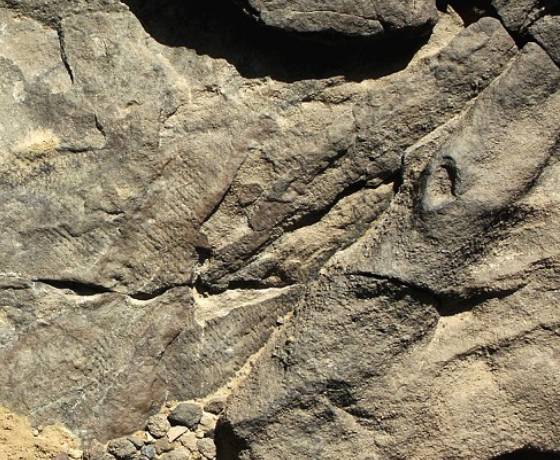
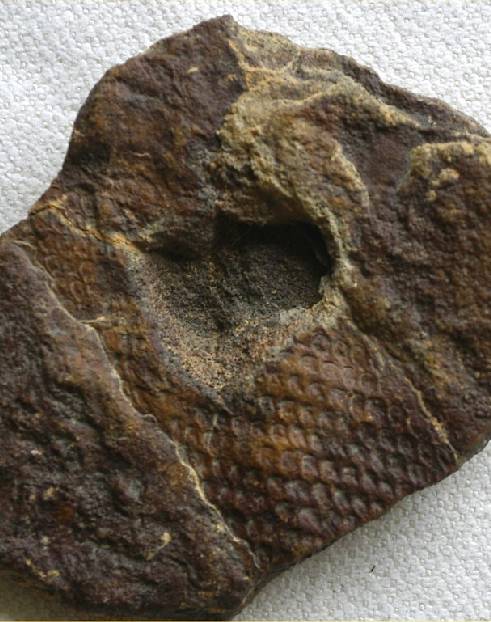
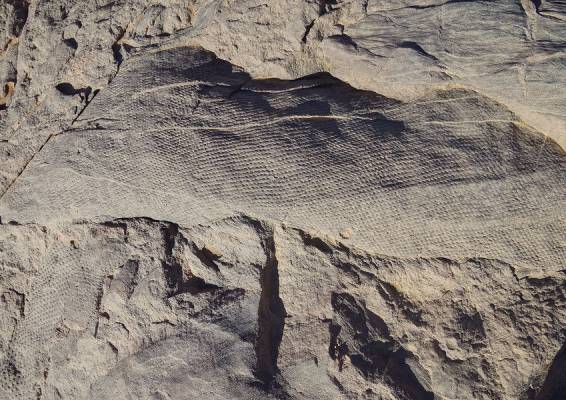
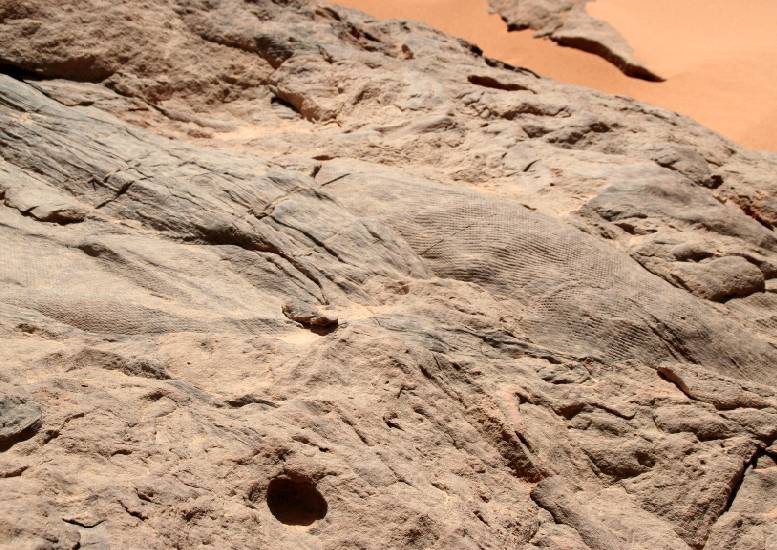
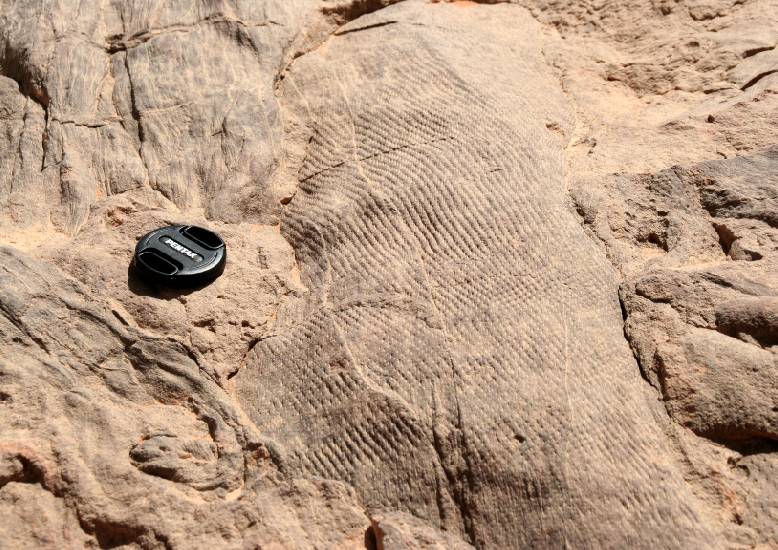
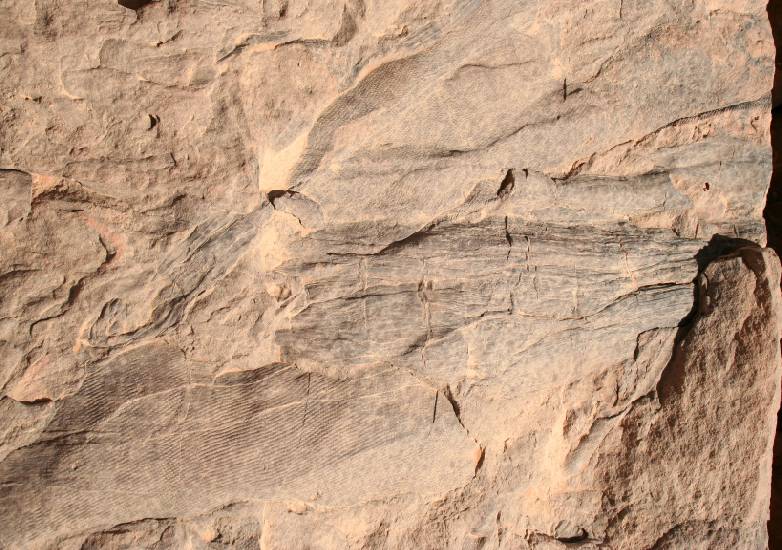
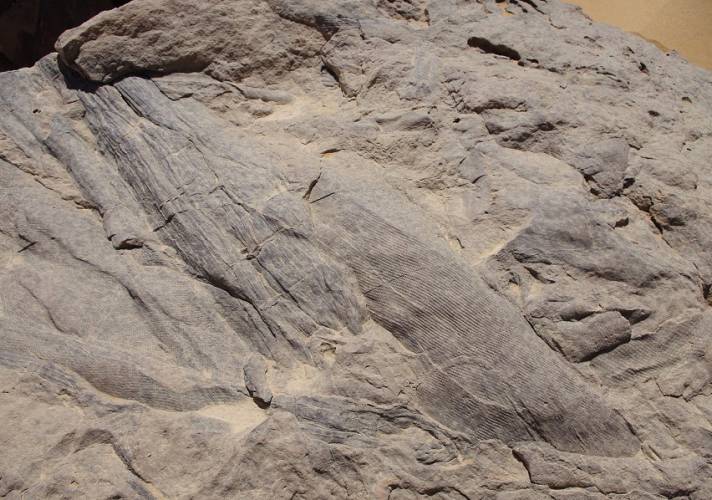
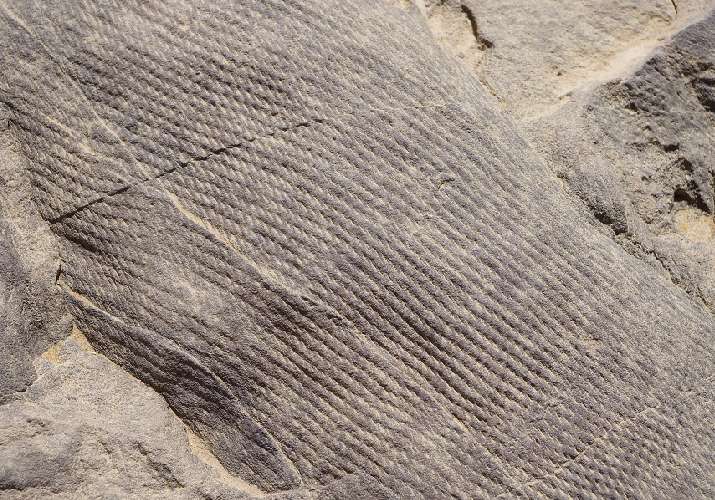
The predominant quantity of the finds are Lycophyta (Lepidodendron etc.)
of Lower Carboniferous age
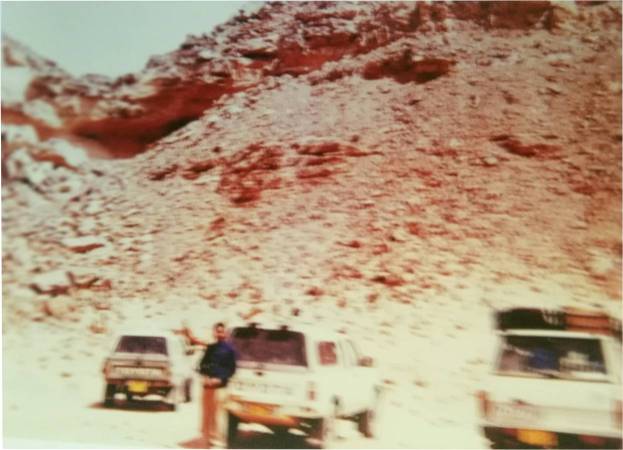
and they were found in the Wadi Abdel Malik area (northern part
of the Gilf Kebir = Abdel-Malik Plateau)
and in the Karkur Murr (Jebel Uweinat). They were all found in
a overlay of Carboniferous strata,
which came transgressive from the Kufra Basin.
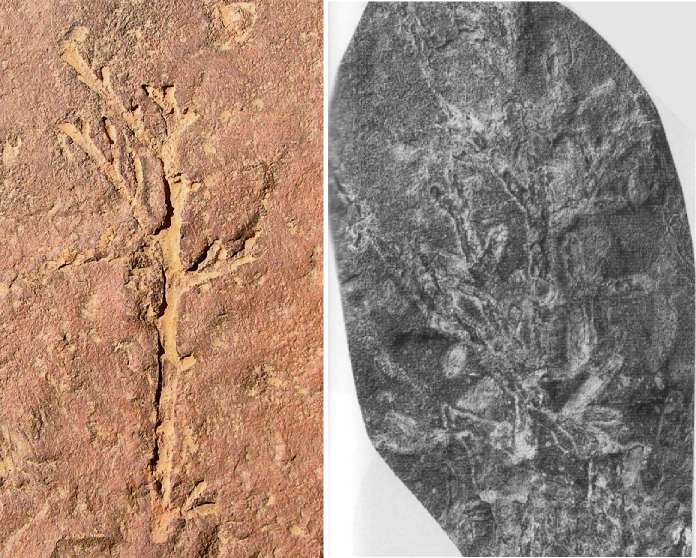
Some plant remains
are evidently younger as the Carboniferous age. They were found at the
northern edge of Gilf Kebir (Abdel-Malik Plateau) and southern Gilf Kebir
(Kemal-el-Din Plateau) respectively near the Aqaba passage and in the
Wadi Wassa. These deposits are classified as Upper Jurassic to
Lower Cretaceous
age consequently. But recent findings suggest errors.
It is
for everybody not easy to organize the publications, therefore the plant
remains are reproduced here,
in the anticipated agreement with the authors Dr. Annie Lejal-Nicol, France,
and Prof. Dr. Eberhard Klitzsch, Germany.
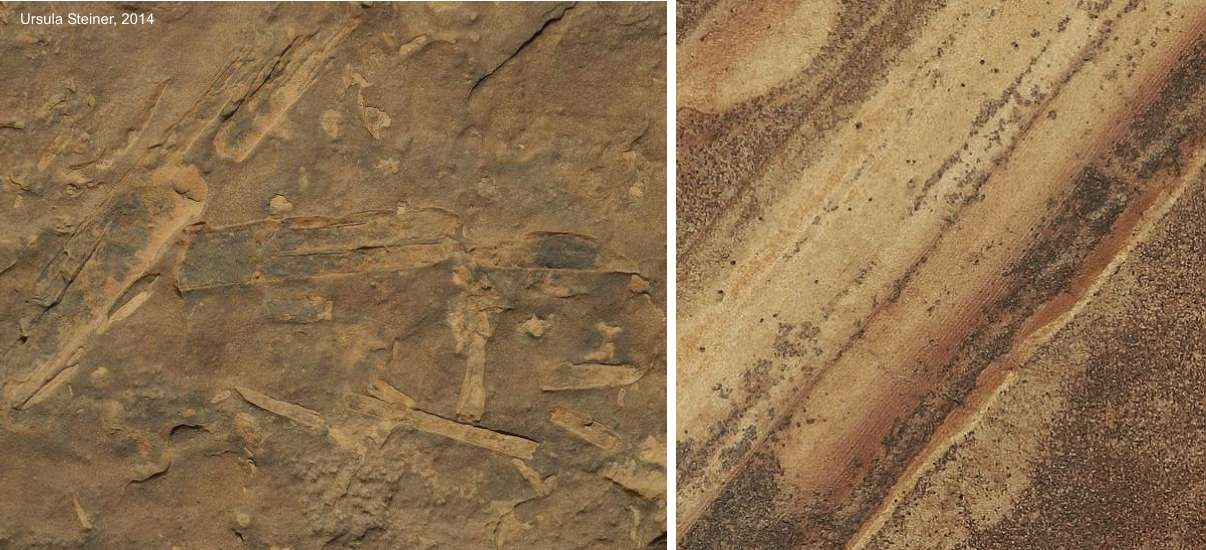
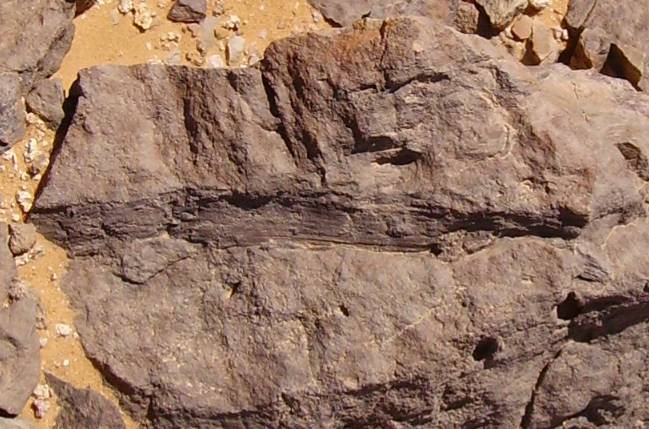
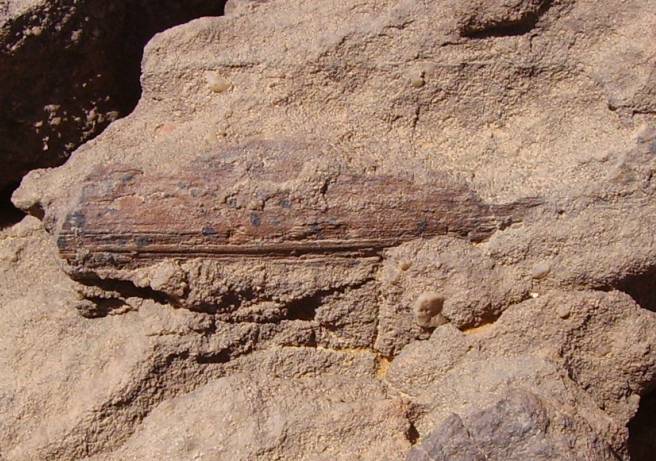
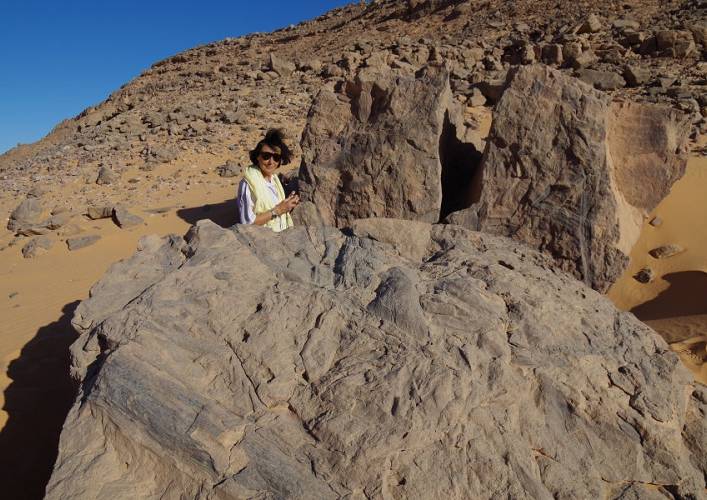
The collection of Carboniferous
plant-remains were completed in the past years with new finds. It are
accidental finds by participants of trekking-tours.
|

Up to now known locations of Carboniferous
strata and plant imprints
|