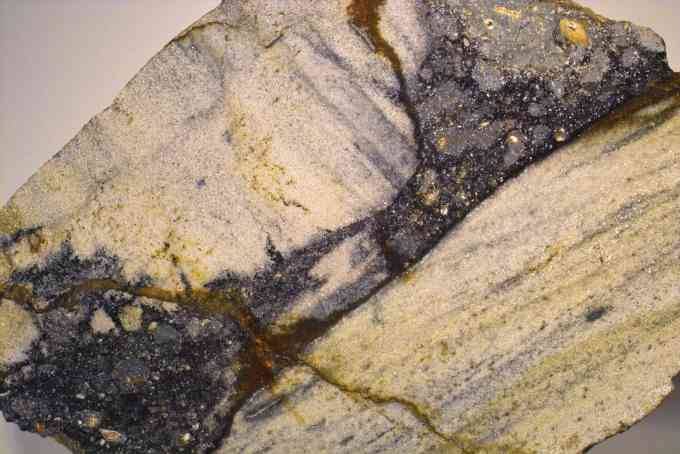
|
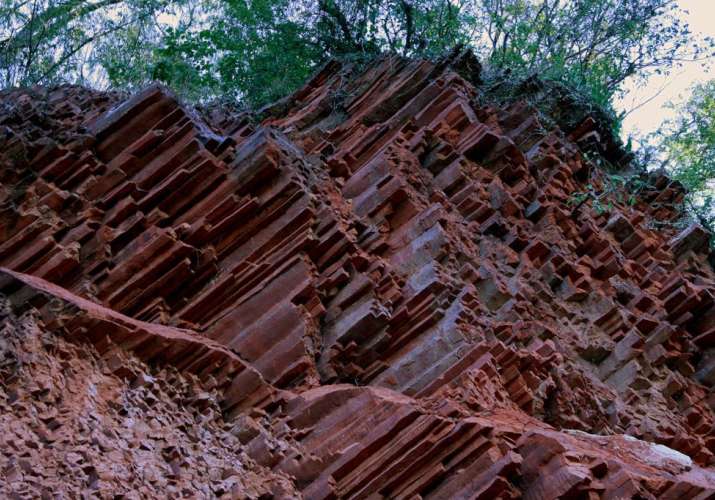
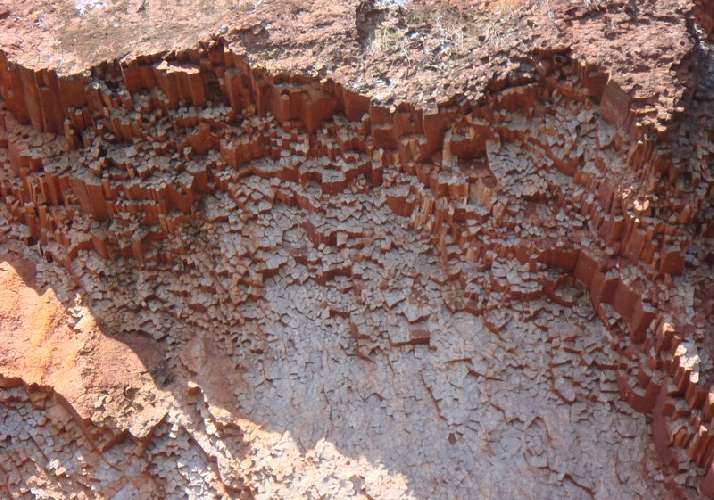
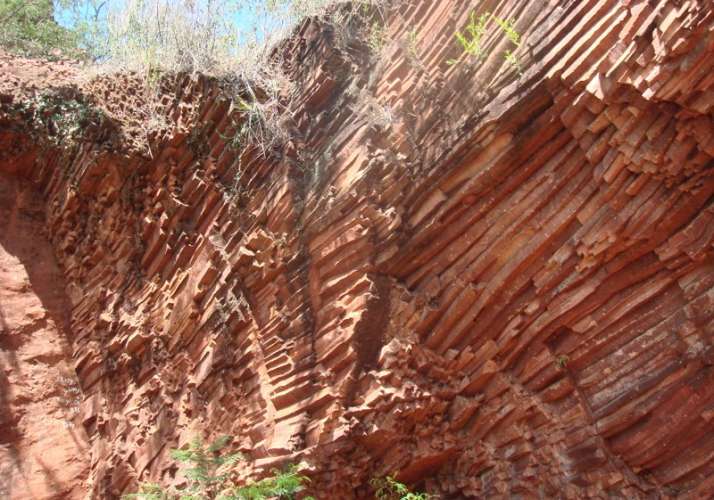
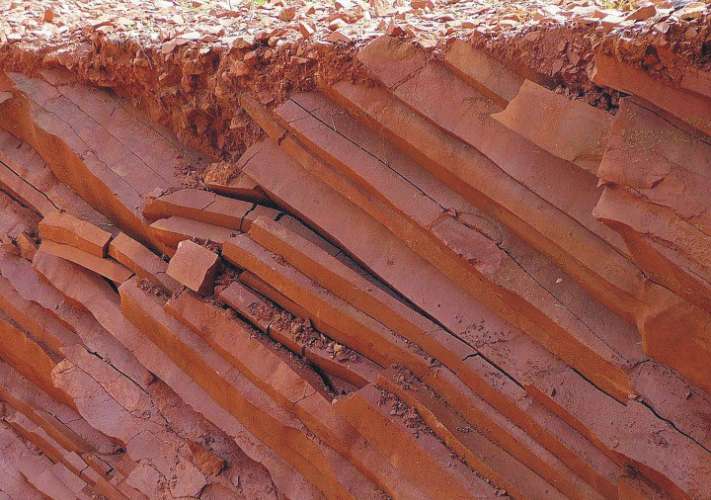
Mysterious columnar-jointed sandstones in the Jebel
Uweinat (Egypt/Sudan)
(caused by electric discharge of plasma ?)
Norbert Brügge, Germany
Dipl.-Geol.
Update: 23.04.2022
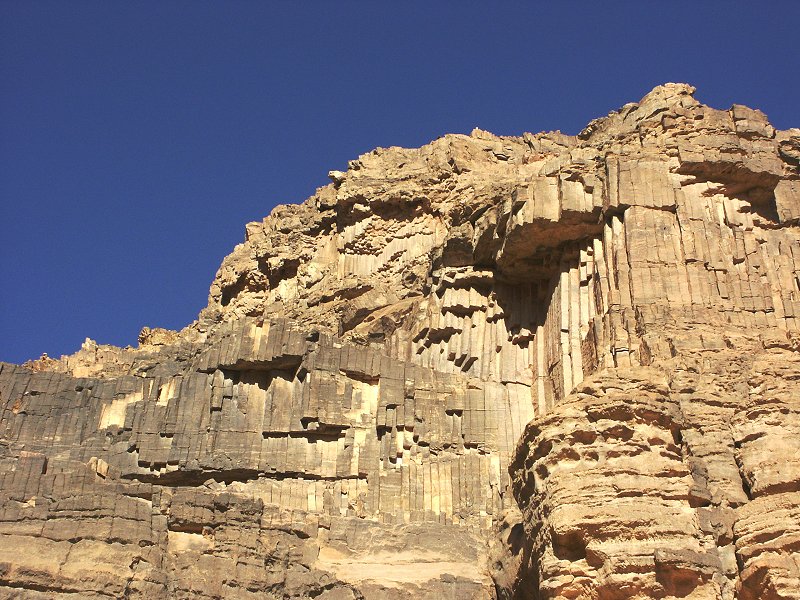
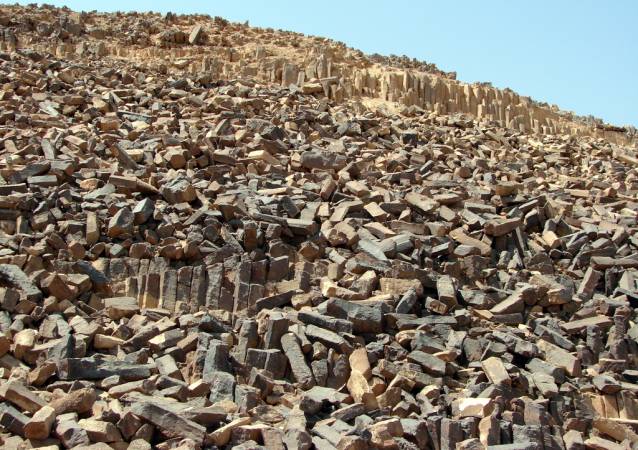
Also for a geologist mysterious and up to now
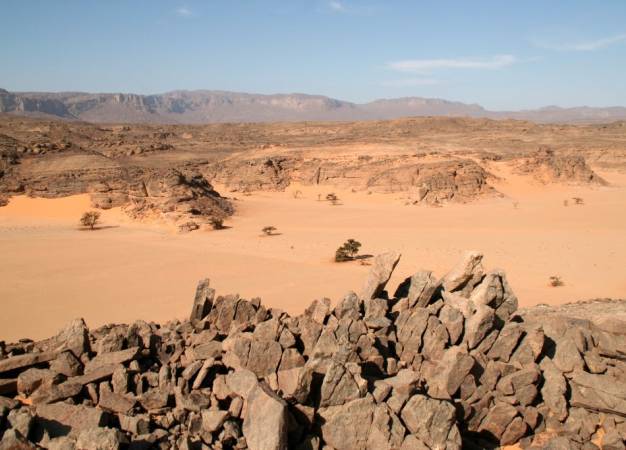
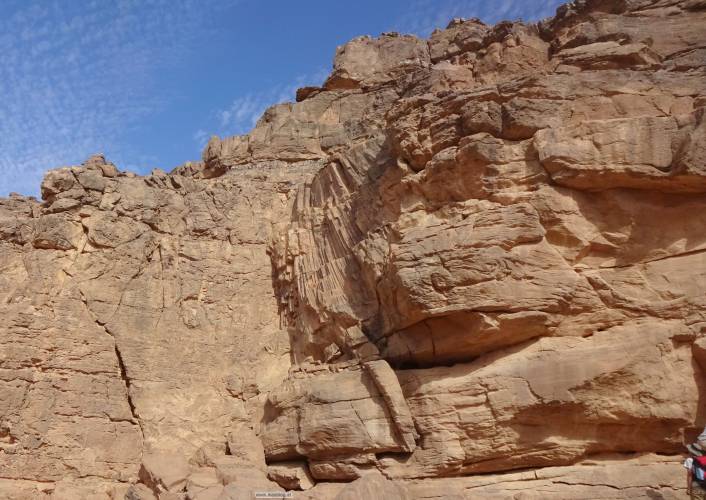
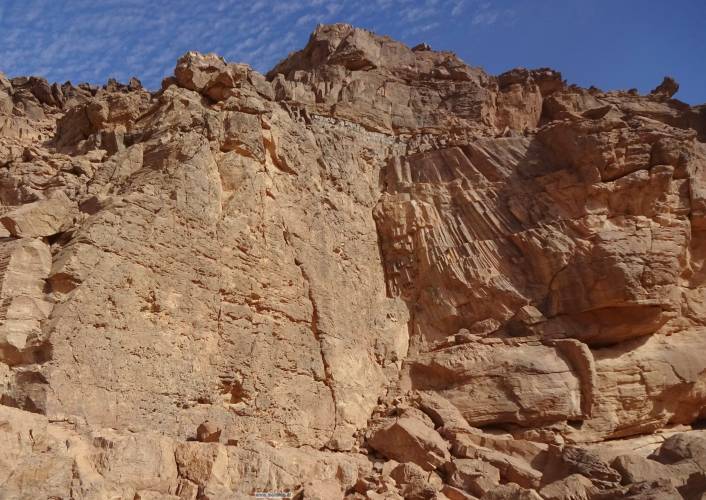
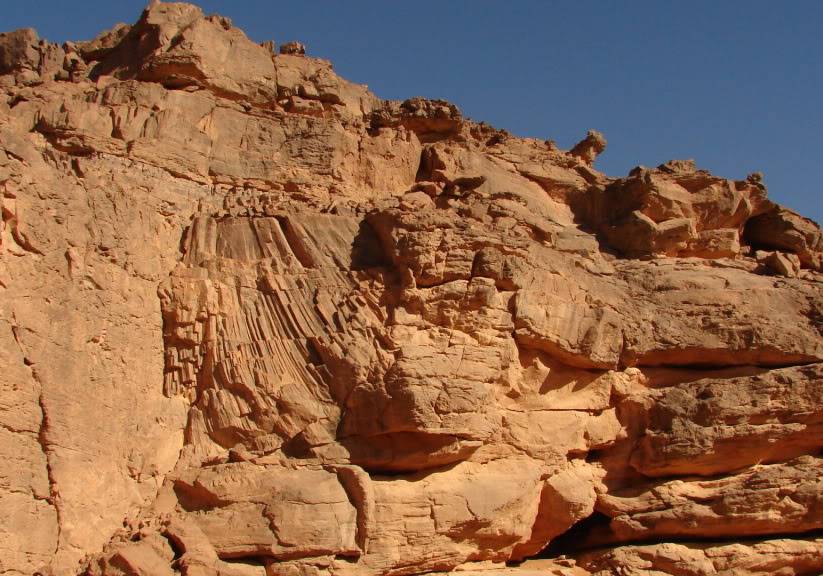
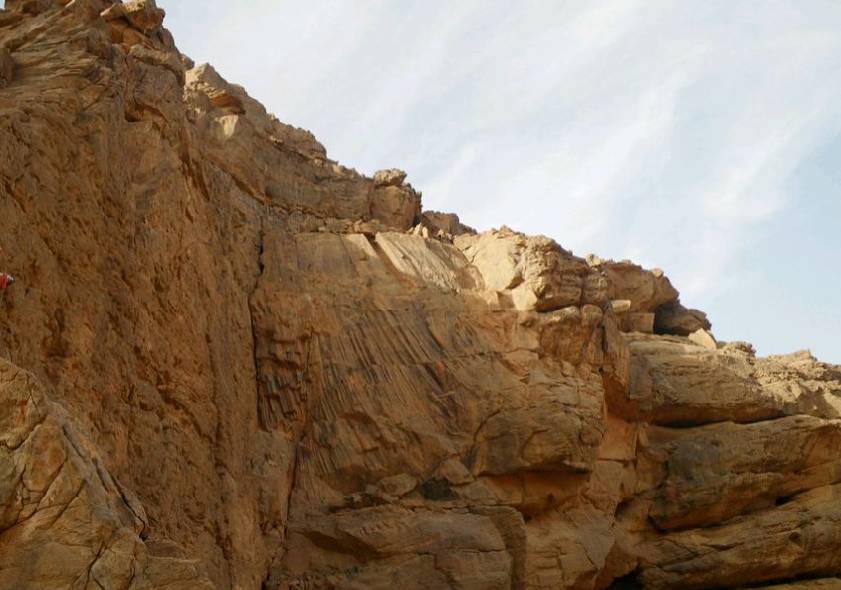
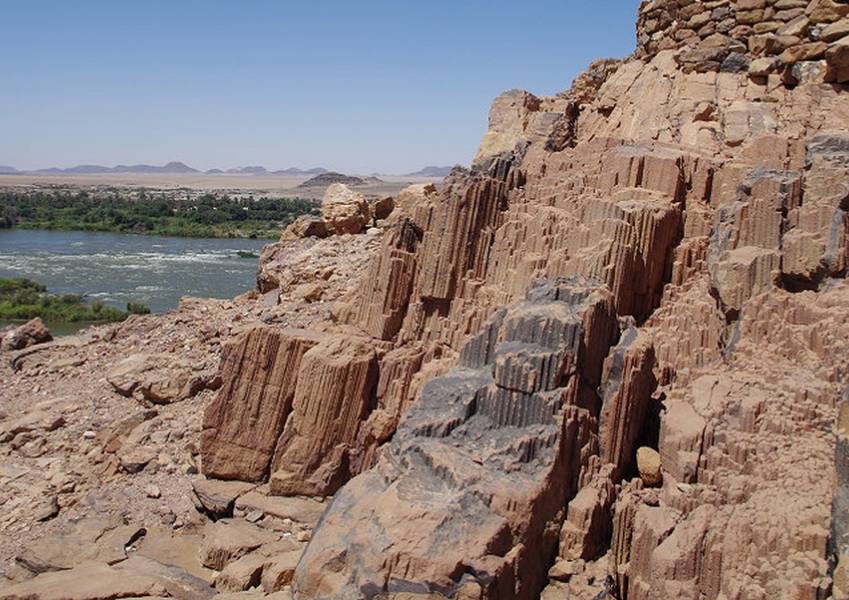
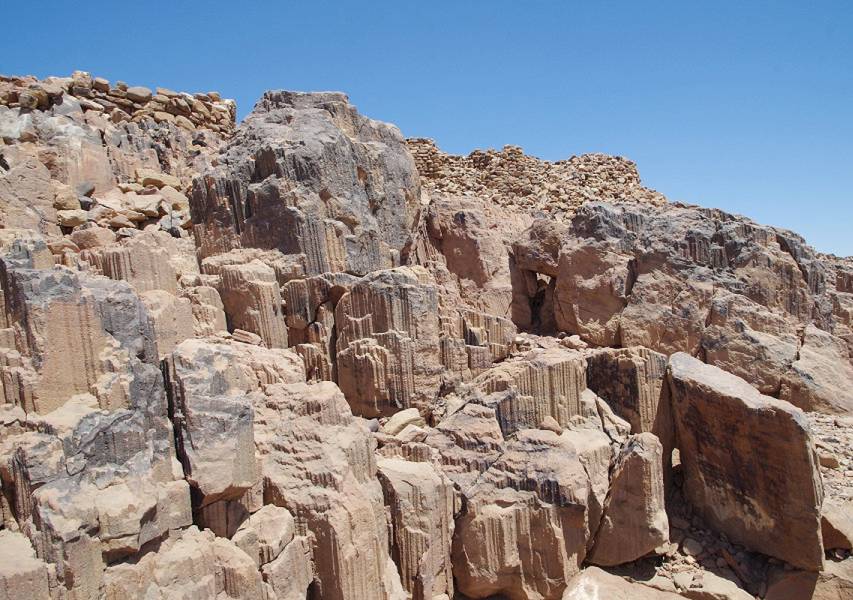
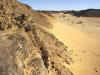
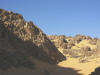
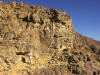
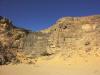
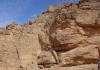
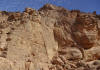
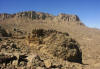
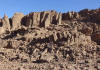
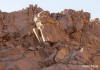
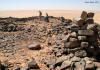
not seen are the discovered and photographed structures in the Jebel Uweinat
by Andras Zboray, Hungary, in 2008.
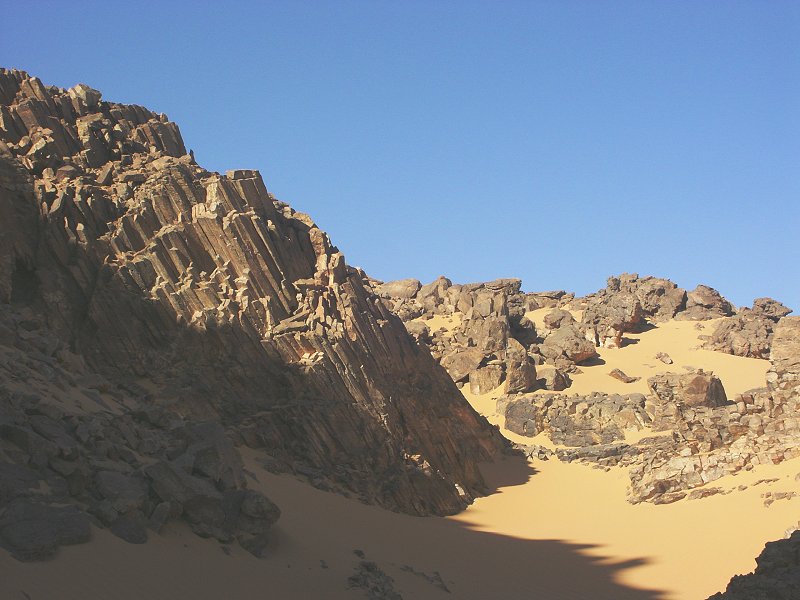
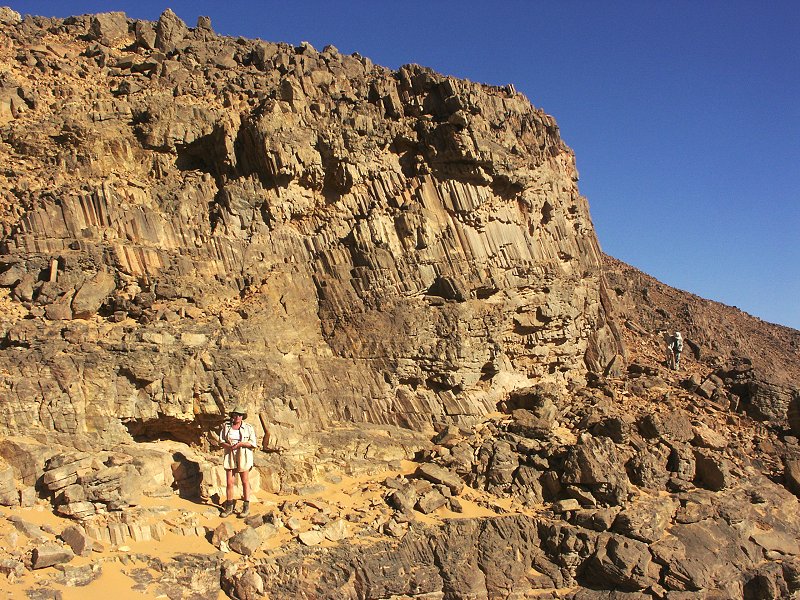
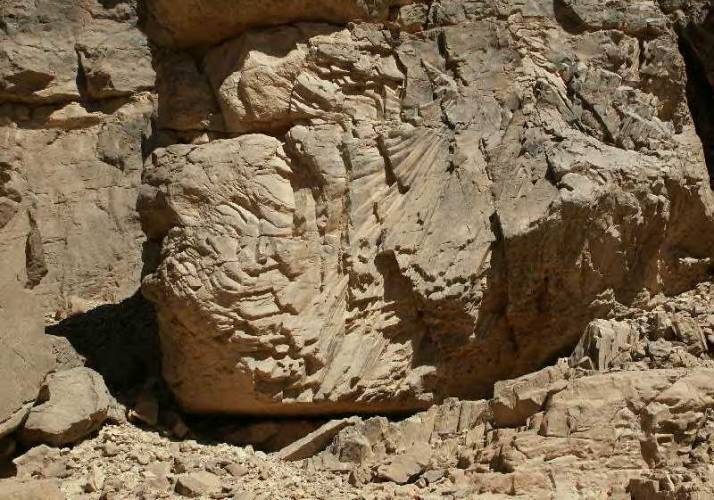
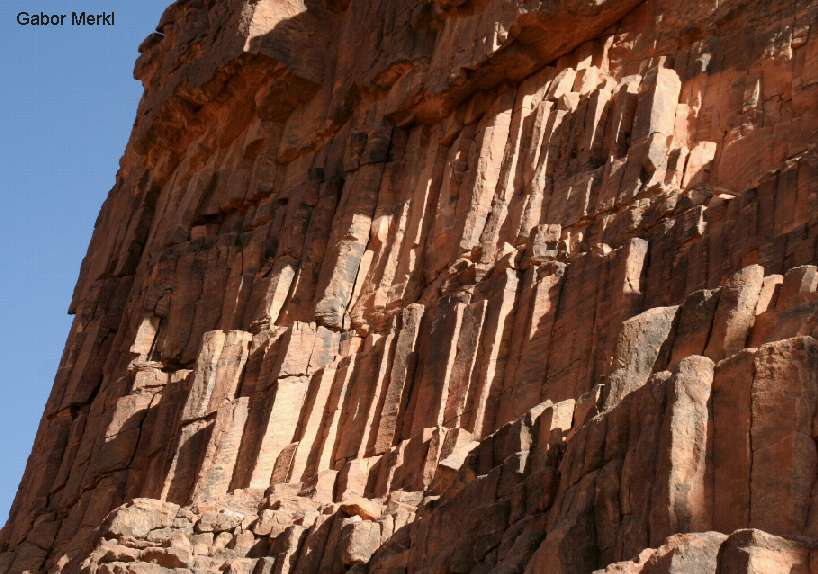
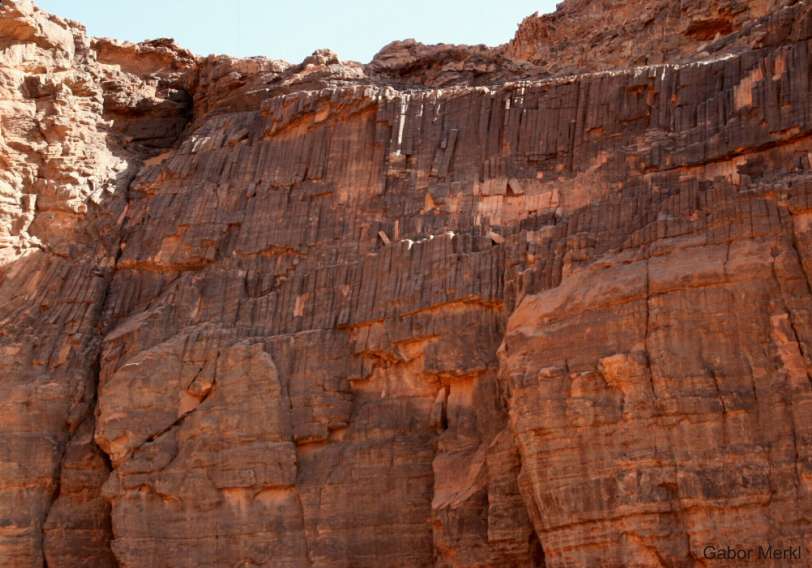
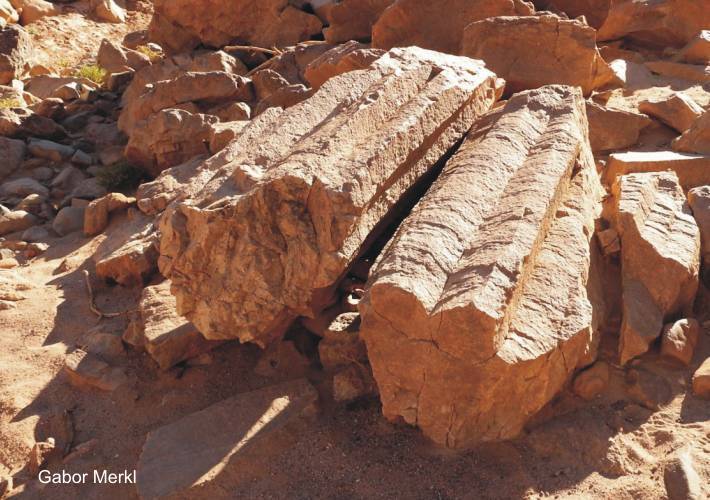
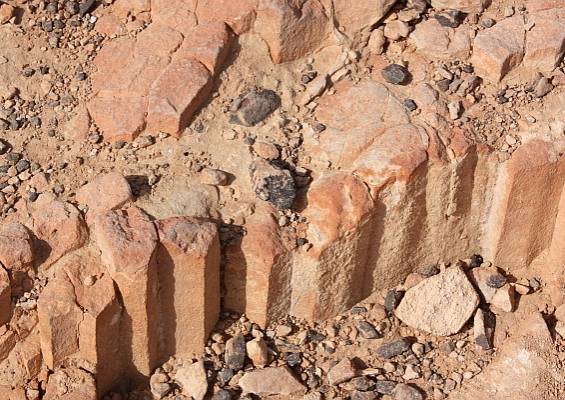
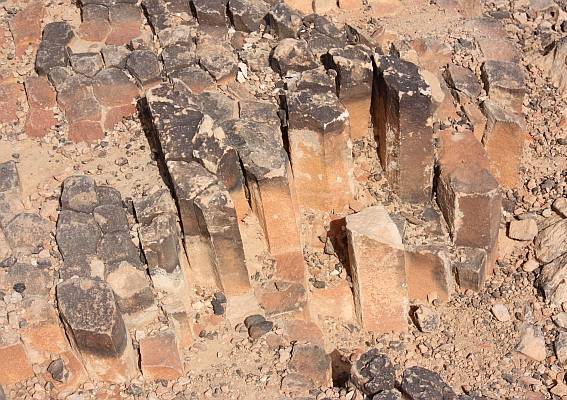
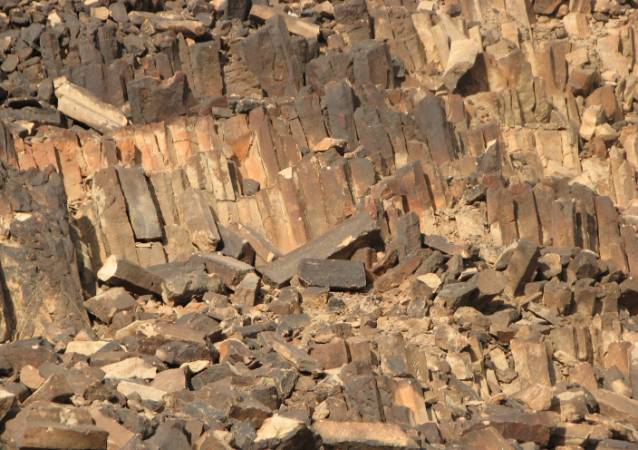
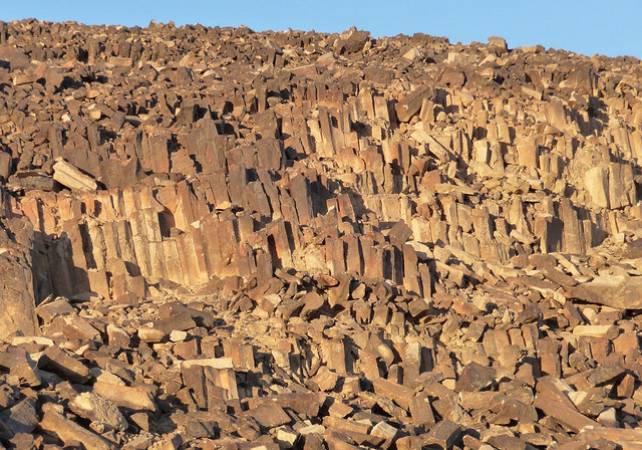
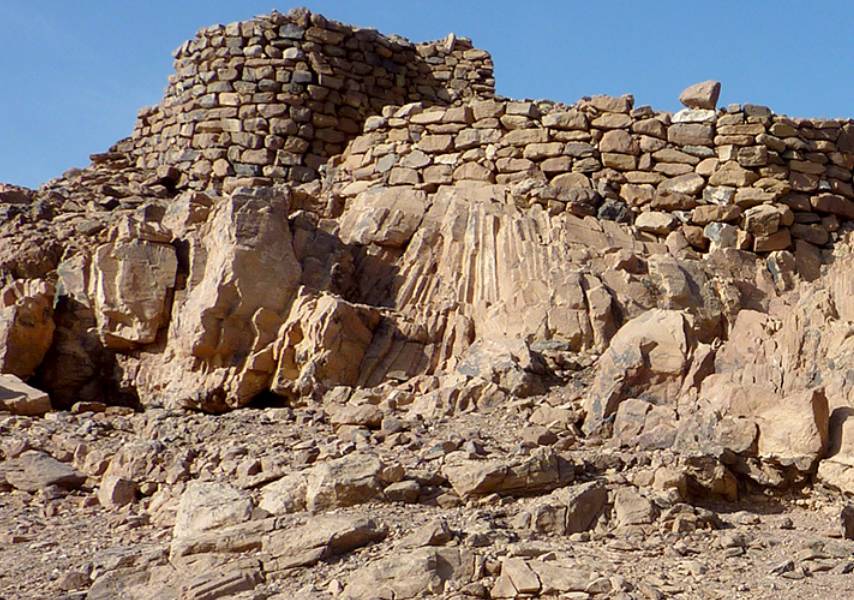
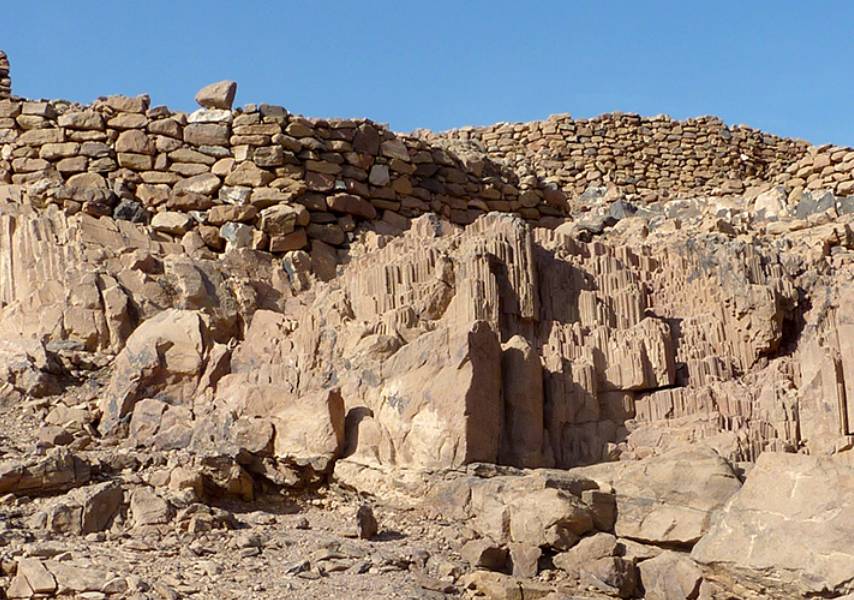
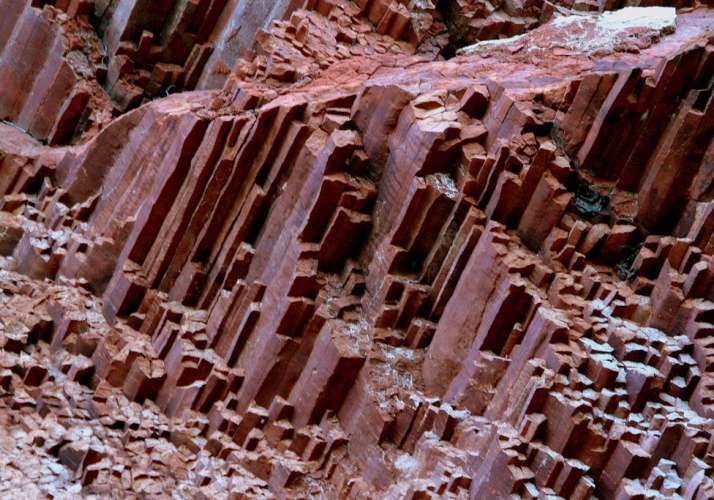
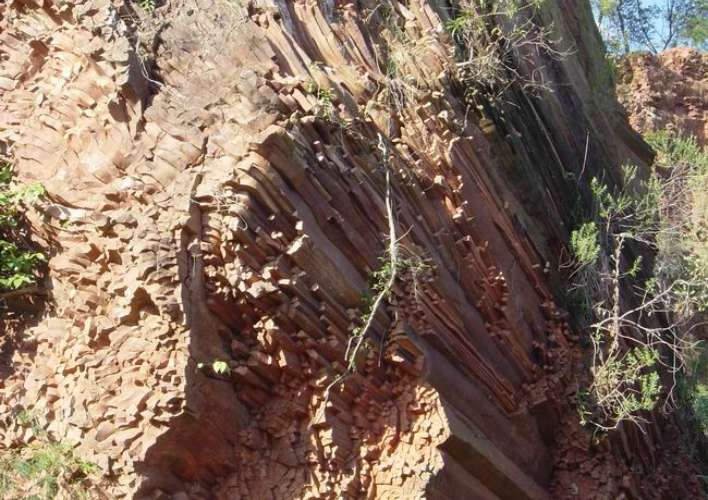
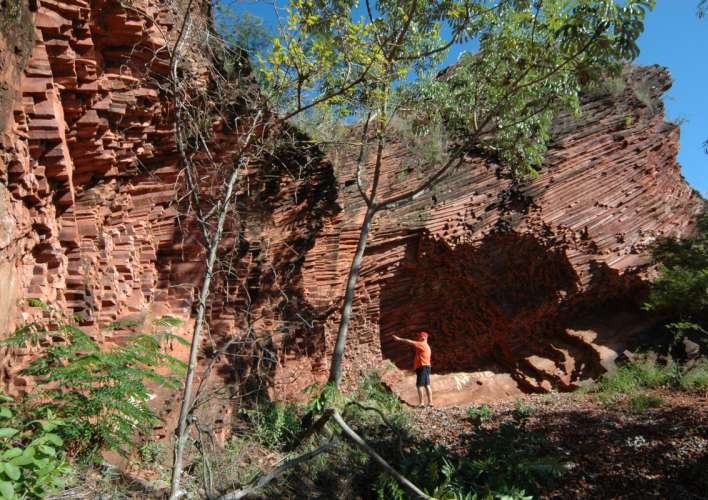
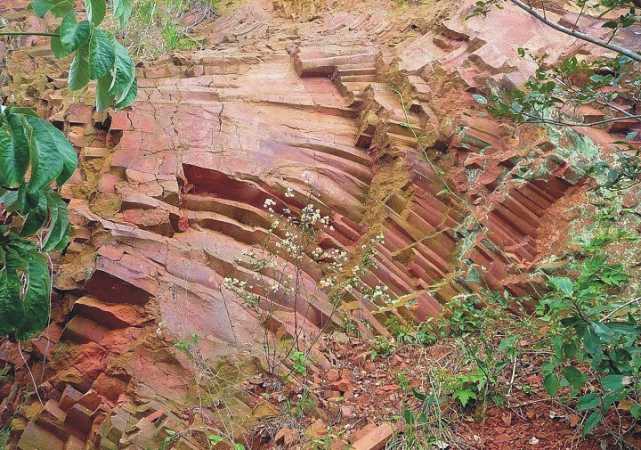
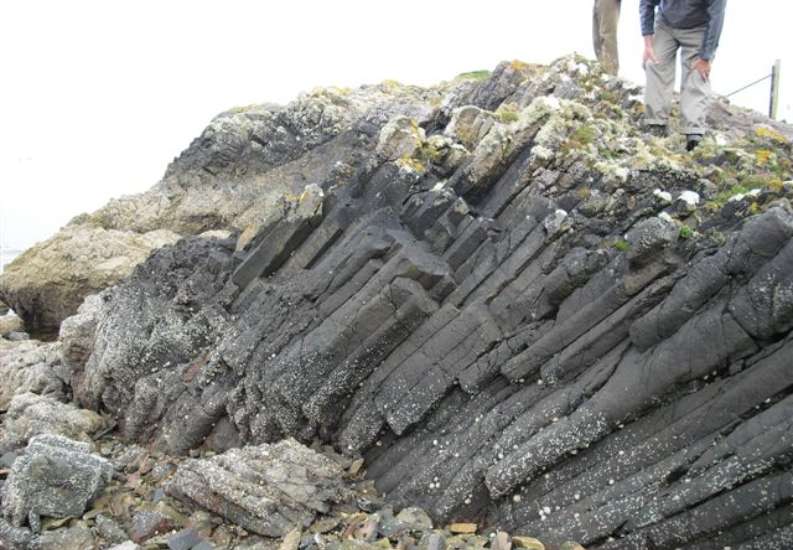
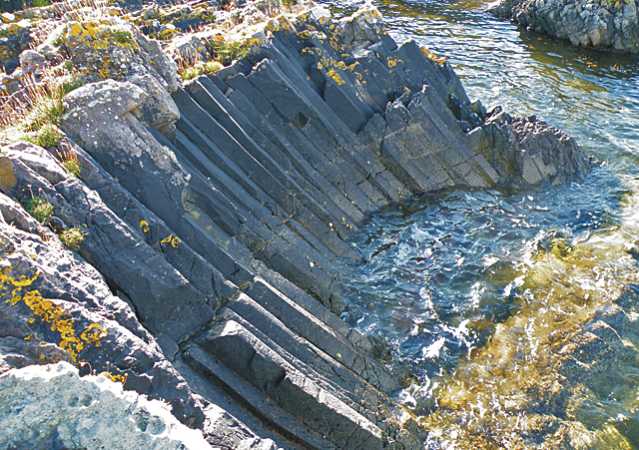
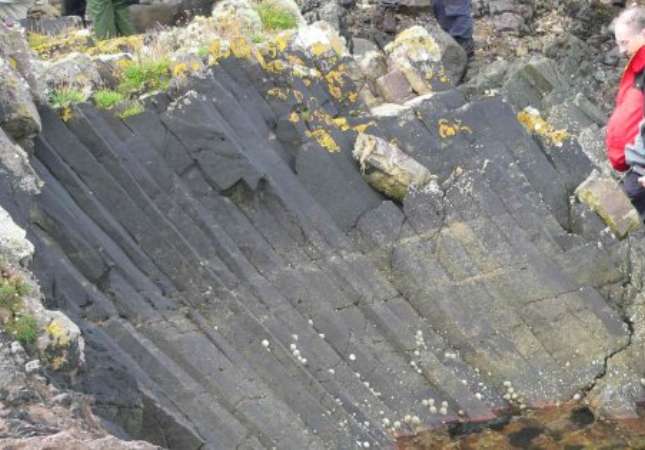
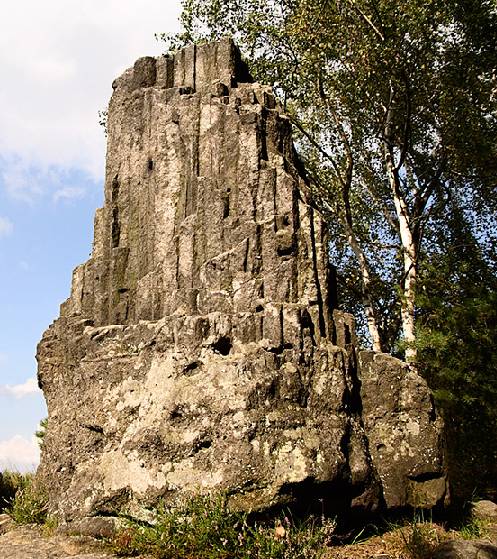
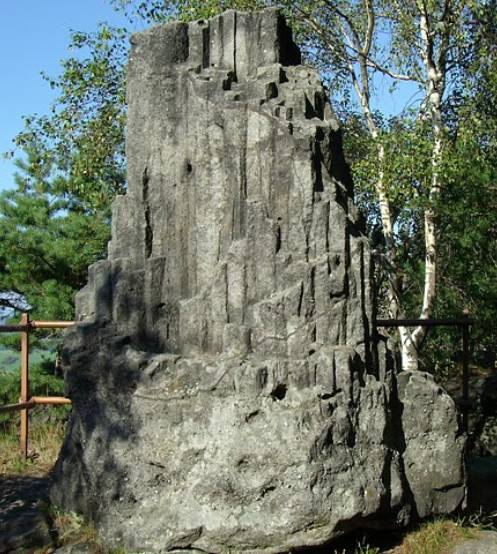
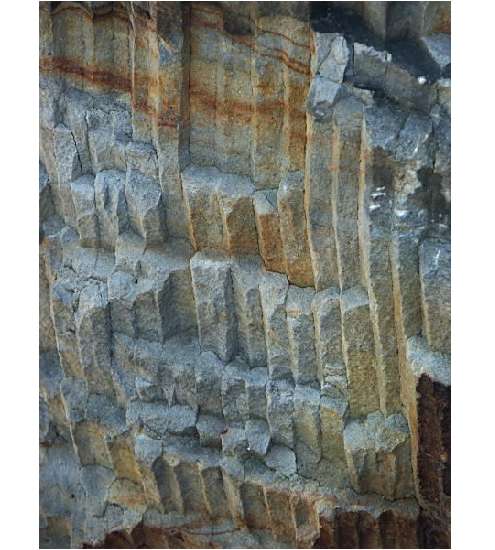
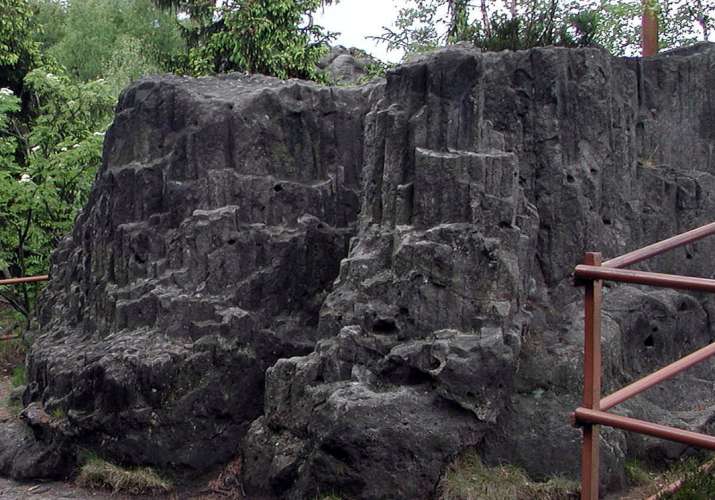
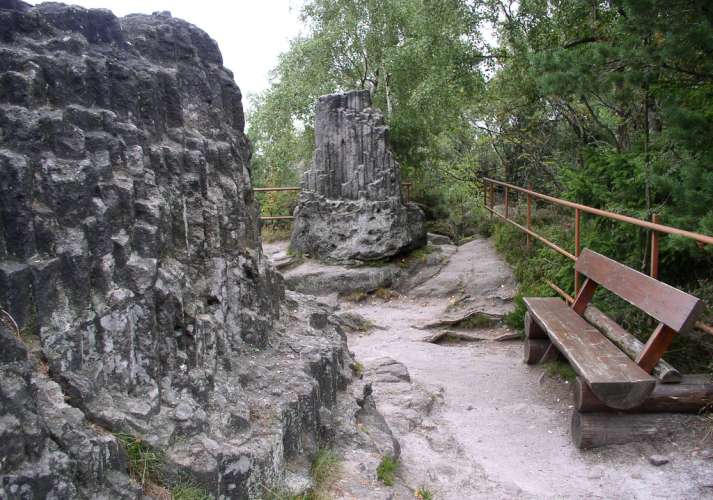
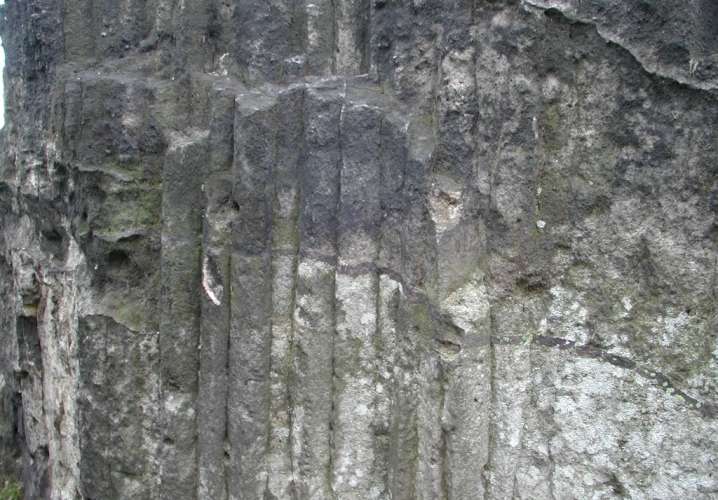
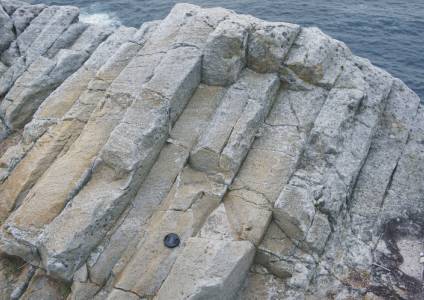
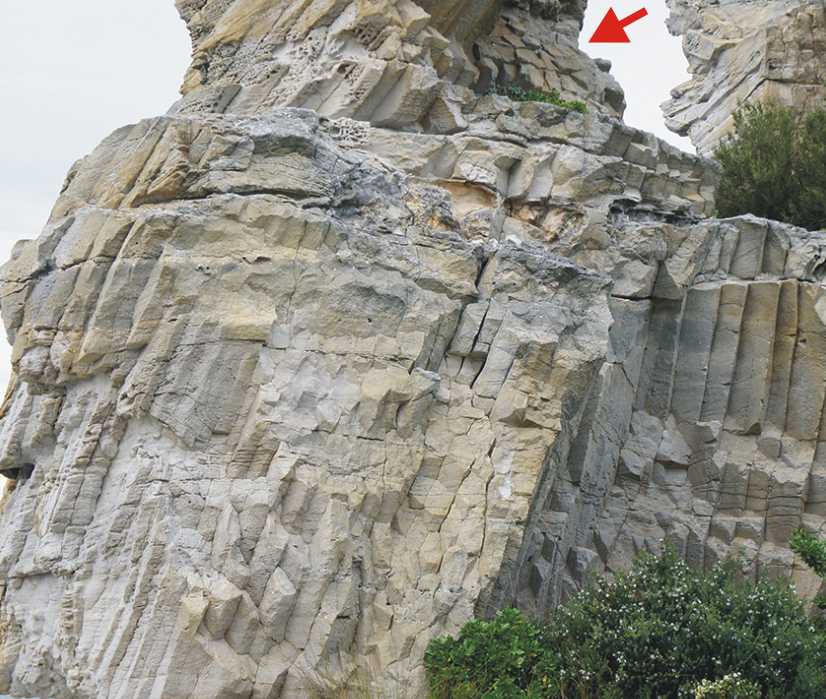
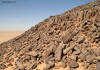
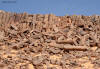
Surprisingly, there are no columns of basalt or other eruptive material. The
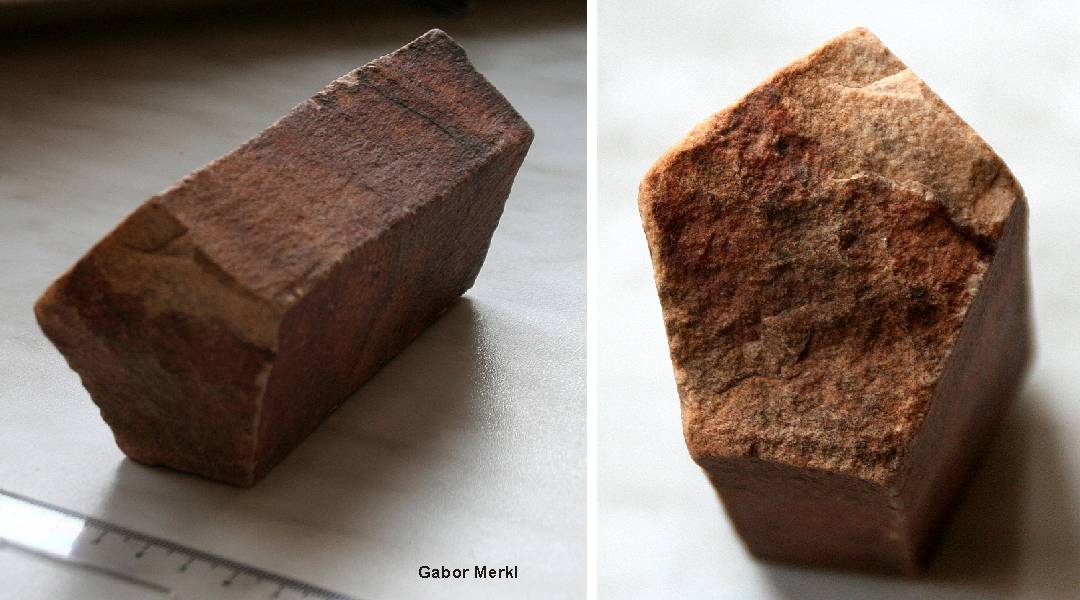
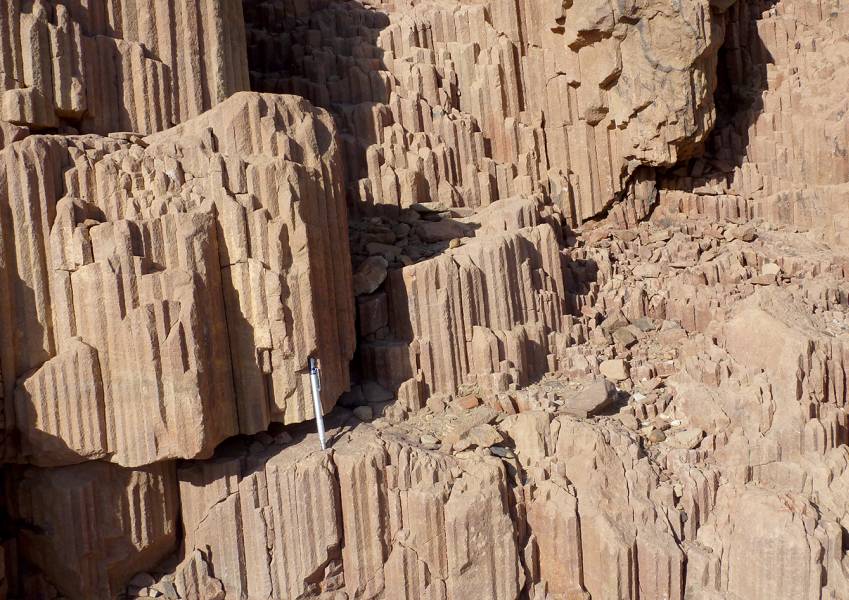
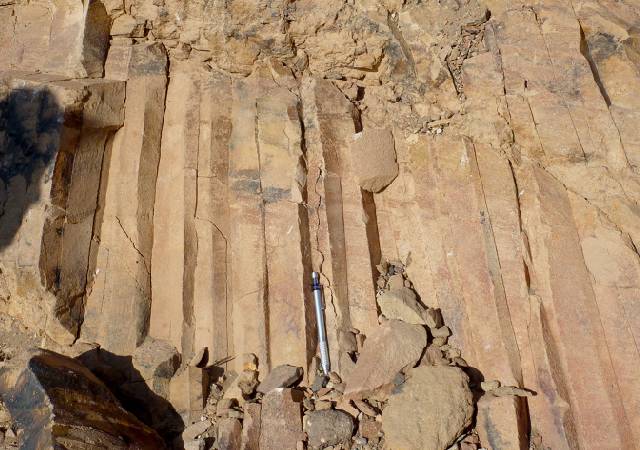
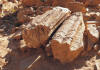
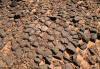
sandstone is splitted like basalt columns. But the columns have mostly a
pentagonal cross section.
They have a different diameter and it is to find not the root. They seem to
be inclosed in the massive sandstone formation. Normal bedded sandstones were
observed both above and below this peculiar structure. The internal structure
of the sandstones is apparently unchanged.
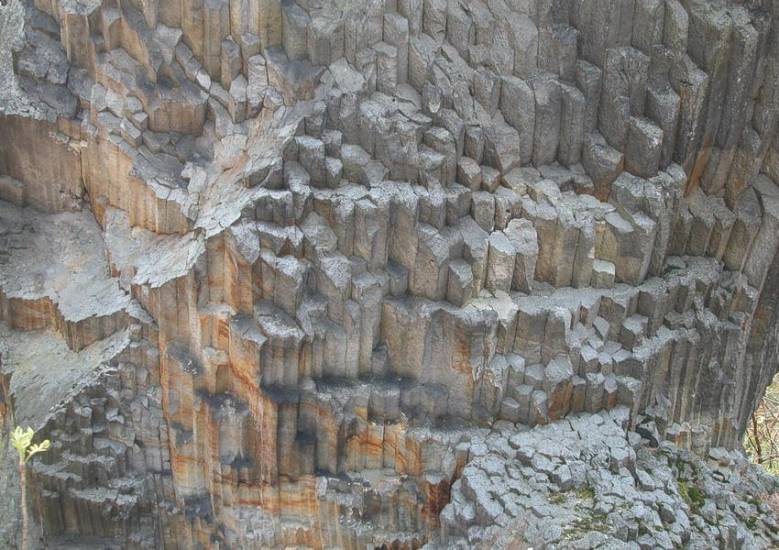
Basalt columns are usually of regular hexagonal cross section. The hexagonal
cross-section of basalt is formed during the cooling due to shrinkage. So
far it is known that columnar sandstones were found only in direct contact
with basalts. However, then the sandstones are fritted and highly mineralized.
This is here not to see at first glance (without pyromethamorphism).
There were widespread subvolcanic activities (plugs, dykes) in this region
(three-country corner Egypt/Sudan/Libya), but the columns had no contact with
such structures, were not affected by heat, and are unchanged in their consistency.
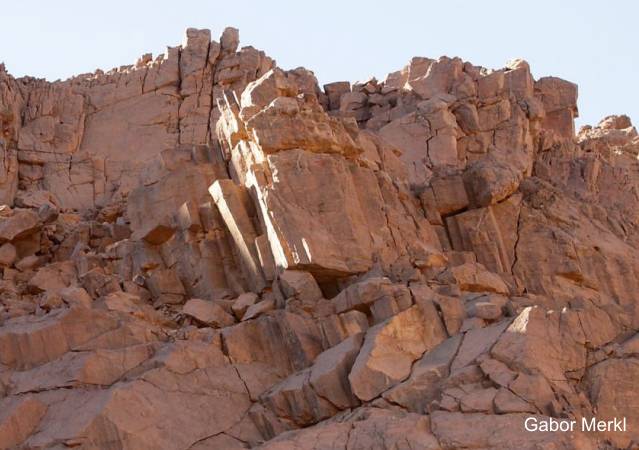
The columnar-jointed sandstones stand abruptly in the steep walls of valleys,
apparently without roots on undisturbed sandstone. The creation of this kind
of columns is mysterious. It is sure that no volcanic intrusions are in the
vicinity. Such columns could created probably only by shock-like movements.
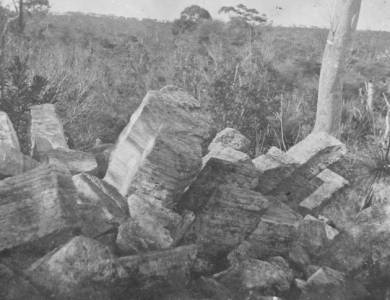
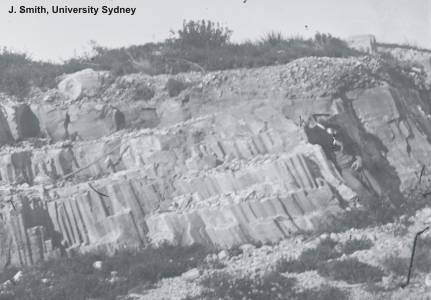
There are only a few other locations worldwide with columnar-jointed sandstones.
Strangely, there is alo here no direct contact with volcanic structures detectable
(see below). The question is what force has caused this parts of fragmented
sandstones without roots (!?).
|
On Dec. 2, 2019, Robert Hawthorne
of Salt Lake Community College, Electronics Engineering, wrote me that
such columnar-jointed sandstone could have caused by Electric Discharge
of plasma. He refers to the so-called "Townsend Avalanche" theory.
|
|
|
|
|
|
|
|
|
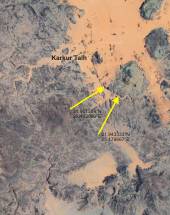
Andras Zboray, 2008:
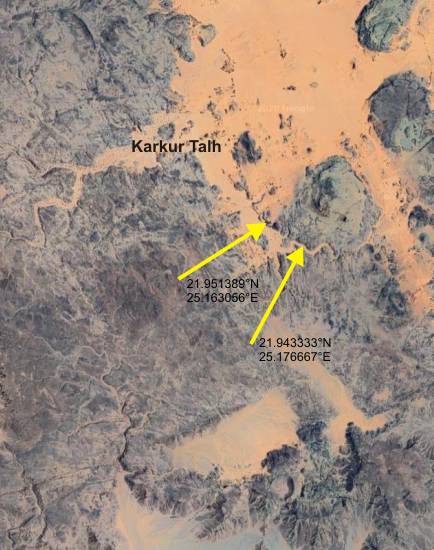
Jebel Uweinat, southern Karkur Talh (21.951389°N / 25.163056°E)
|
|
|
 |
|
|
|
|
Max Damberger, 2019:
Jebel Uweinat, southern Karkur Talh (21.943333°'N / 25.176667°'E)
|
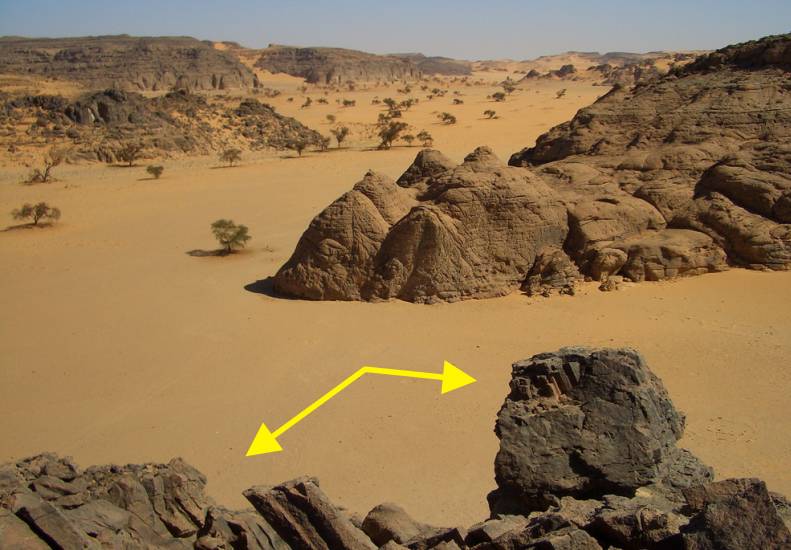
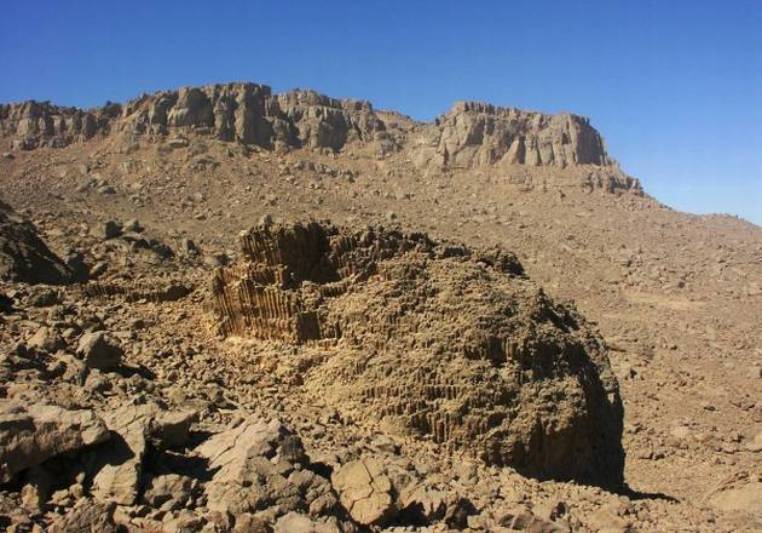
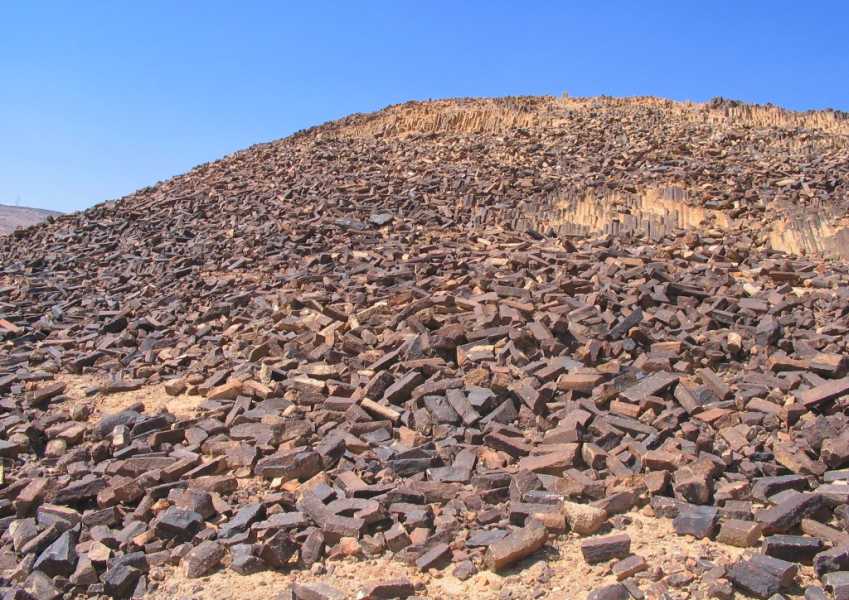
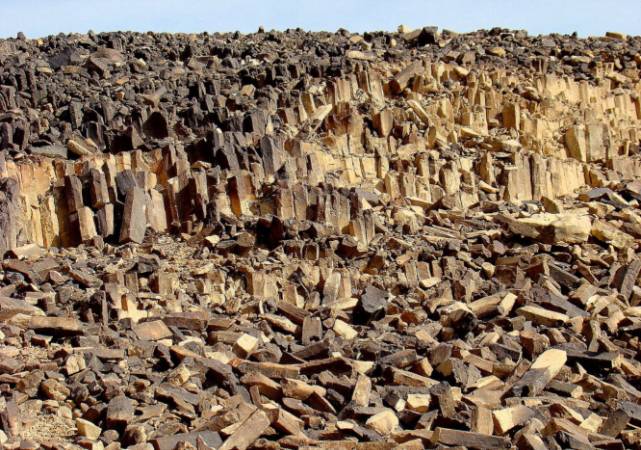
Columnar-jointed sandstones were found on further places in the Jebel Uweinat
(Egypt) and Jabal Arkenu (Libya).
This wrote me Gabor Merkl , Hungary:
"After having read your article on mysterious
columnar sandstone structures in Jebel Uweinat I realised that I found a similar
structure in Jabal Arkenu, when I was in the mountain with Andras Zboray in
November 2010. Also in 2009 we found the same phenomenon on a low sandstone
hill north-east of Jebel Uweinat and also on the flank of Uweinat when we
went up to the top of the mountain in the same trip."
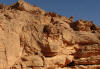
Northern branch of Karkur Talh |
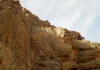
Northern branch
of Karkur Talh |
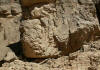
Karkur Talh |
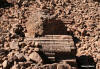
Upper branch of Karkur Murr |
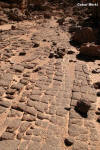
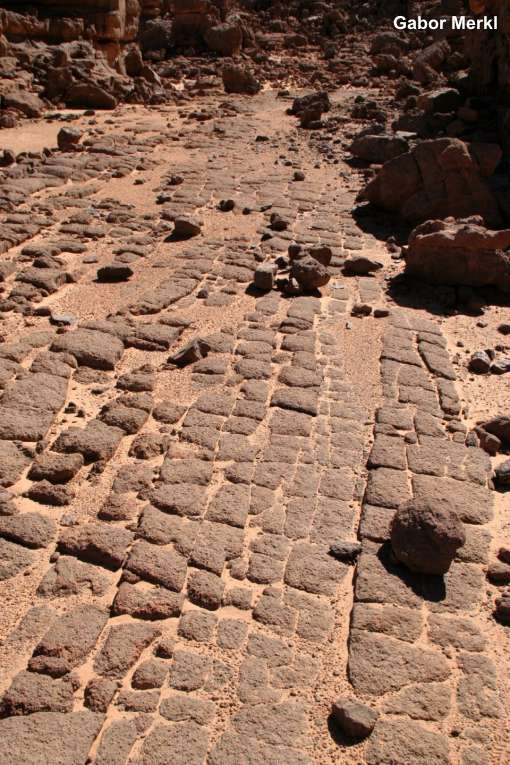
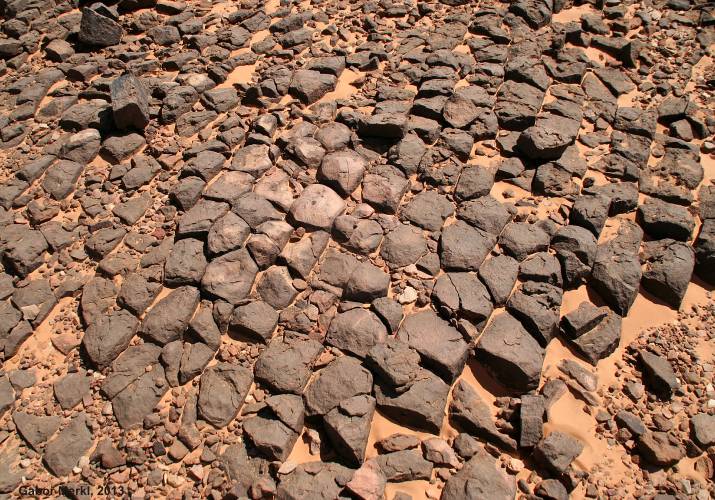
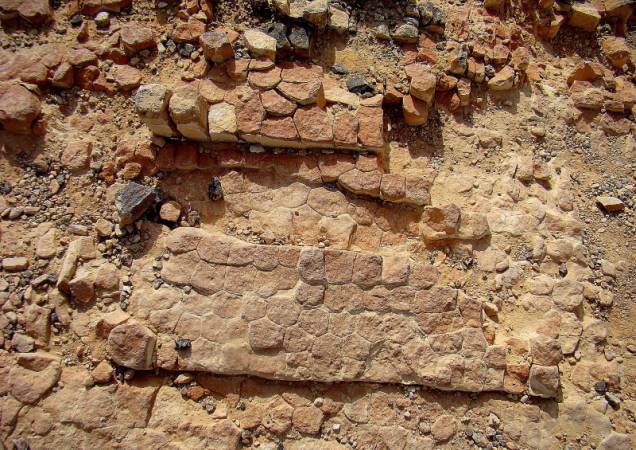
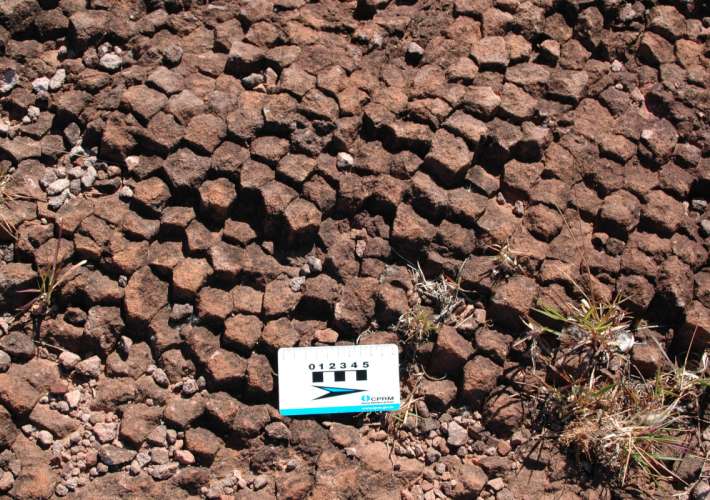
"Pavement"
Jabal Arkenu (Libya) |
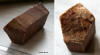
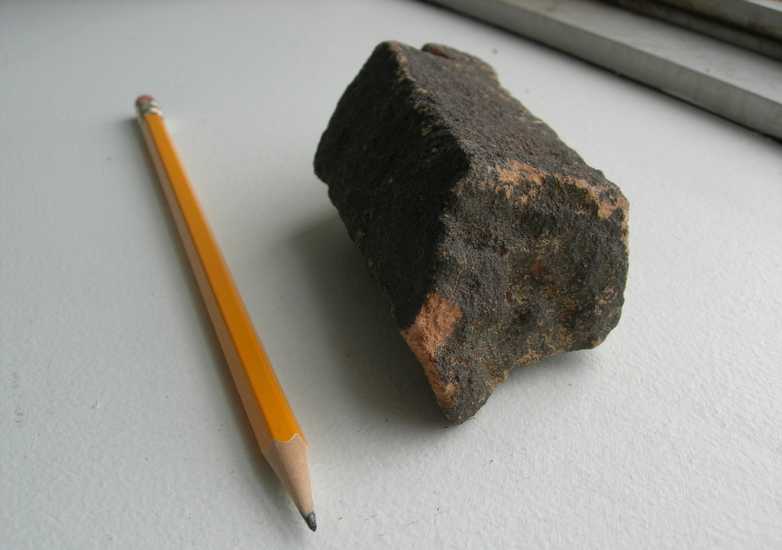
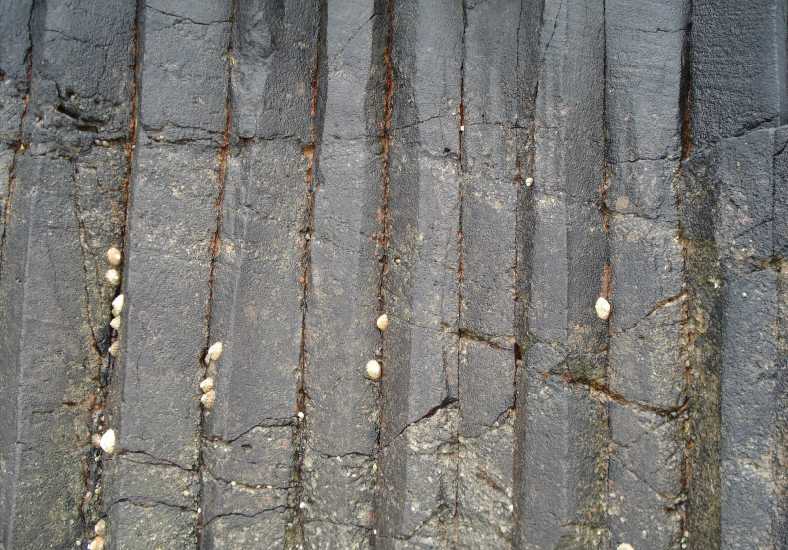
Detail of a sandstone column
(Karkur Talh) |
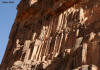
Karkur Talh |
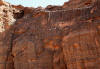
Karkur Talh |
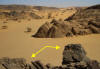
Karkur Talh |
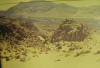 |
 |
 |
 |
 |
|
Eastern Uweinat plateau |
Below the Hassanein
Plateau |
Foot of Northern Uweinat
Plateau (21°57'06"N / 25°00'43"E) |
 |
 |
 |
 |
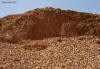 |
|
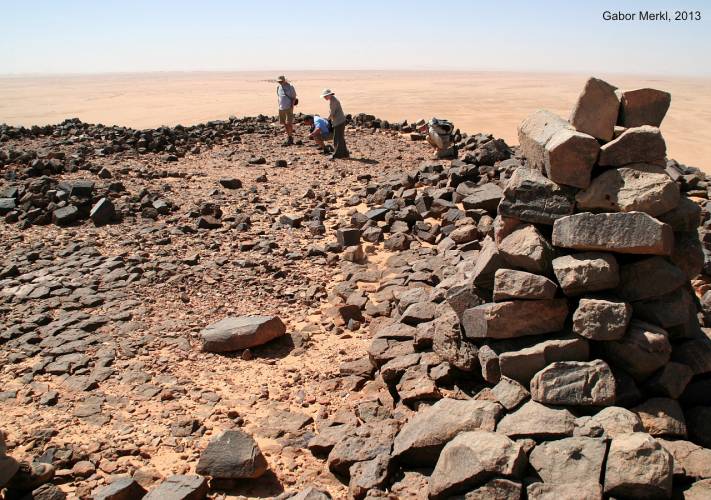
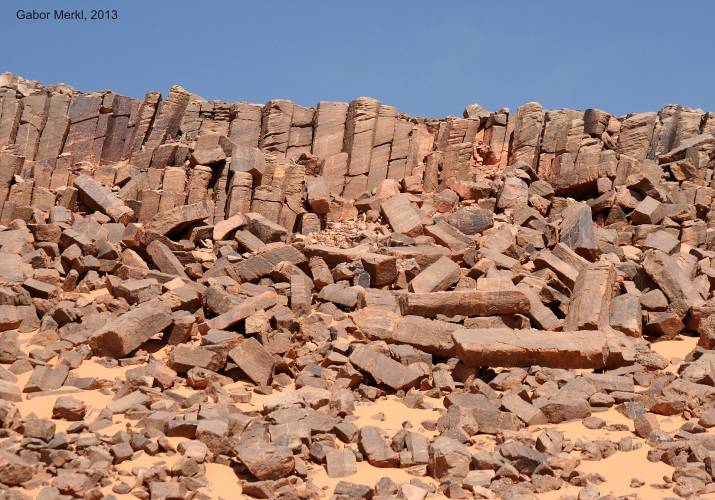
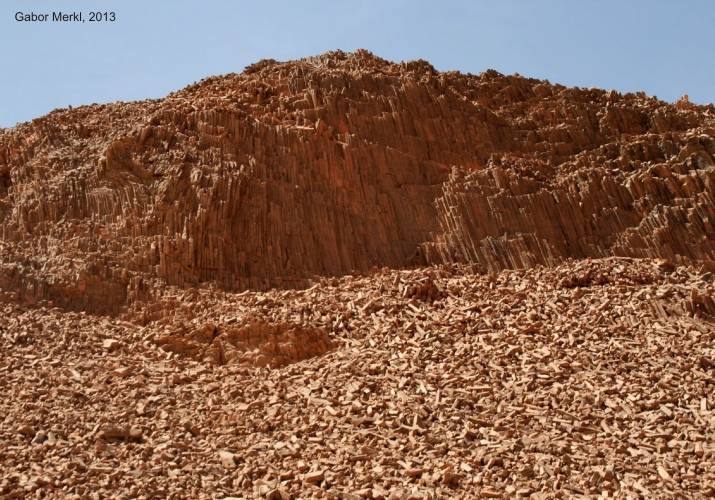
SE of Jebel Uweinat;
Source: Gabor Merkl, 2013 (5) |
More columnar-jointed sandstones
around the world
|
Israel
|
|
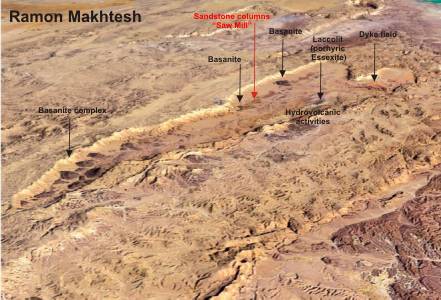
Ramon structure, Negev
desert, Israel
|
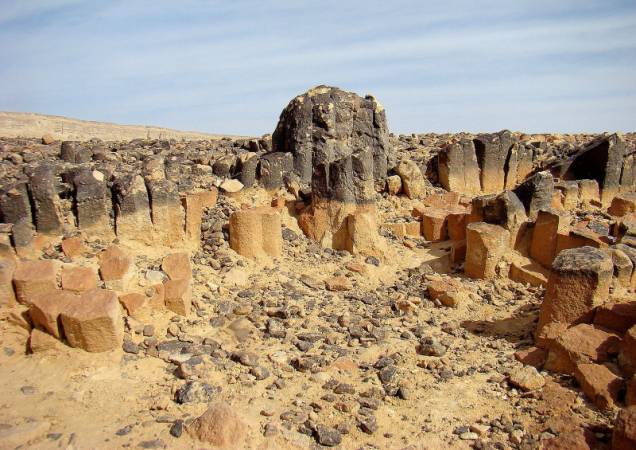
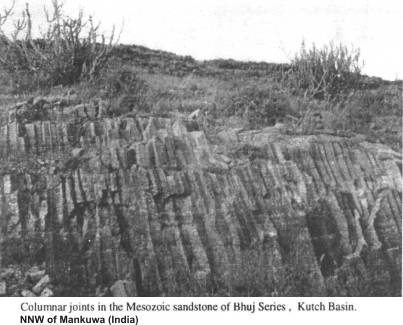
Quote: "A hill of Mesozoic sandstone in
the Ramon Makhtesh, an eroded anticlyne structure in the Negev
desert, consists of prismatic pillars of hard quartzite, with
3–8 facets, which are 3–12 cm wide. The pillars occur in beds
with a outcropping along 60 m. They occur near emplaced magmatic
bodies of Basanite, but they have no direct contact with the
outflows of this Basanite, so it has been suggested that these
quartzitic pillars were formed by hot fluids that accompanied
the igneous intrusions infiltrating into the sandstone."
|
|